Fruits are an essential part of a healthy diet, providing essential vitamins, minerals, and fiber. However, not all fruits are created equal when it comes to their impact on blood sugar levels. Understanding the glycemic index (GI) of fruits can help individuals make informed choices about their diet and manage conditions like diabetes.
GI is a ranking system that classifies foods based on how quickly they raise blood sugar levels. Foods with a low GI are digested and absorbed more slowly, leading to a gradual rise in blood sugar levels. On the other hand, foods with a high GI are rapidly digested and cause a spike in blood sugar levels.
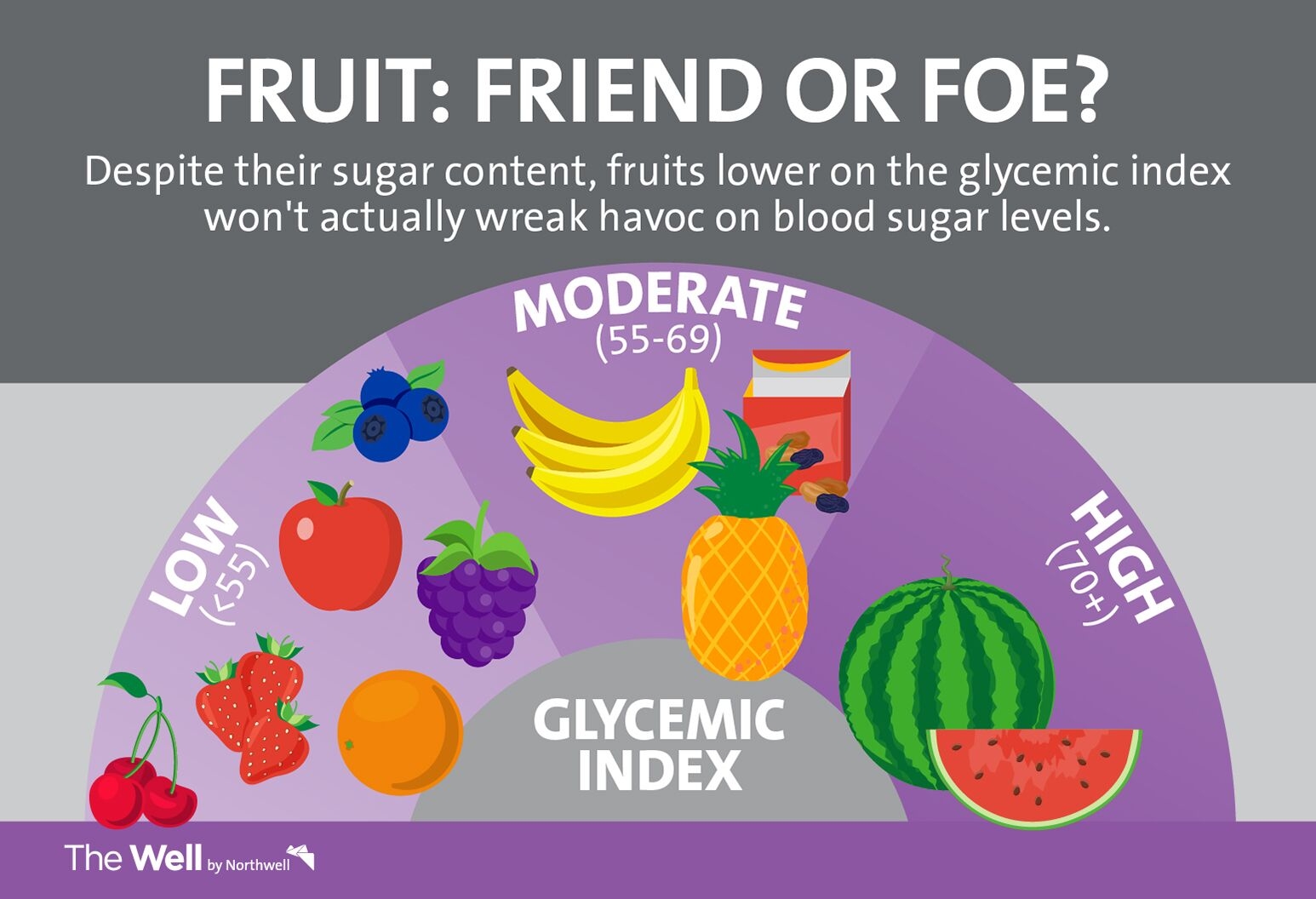
Fruit GI Index Chart
Here is a chart showcasing the GI index of some common fruits:
| Fruit | GI Index |
|---|---|
| Apple | 39 |
| Banana | 62 |
| Orange | 43 |
| Watermelon | 72 |
| Grapes | 59 |
As shown in the chart, fruits like apples and oranges have a lower GI index, making them a better choice for individuals looking to control their blood sugar levels. On the other hand, fruits like watermelon and bananas have a higher GI index and should be consumed in moderation, especially by individuals with diabetes.
It’s important to note that the GI index of fruits can vary based on ripeness and preparation methods. Choosing whole fruits over processed fruit juices can also help lower the GI index of your fruit intake.
By incorporating low GI fruits into your diet and balancing them with other nutrient-dense foods, you can maintain stable blood sugar levels and support overall health and well-being.
In conclusion, understanding the GI index of fruits can help individuals make healthier choices when it comes to their diet. By referring to a fruit GI index chart and being mindful of portion sizes and preparation methods, you can enjoy the nutritional benefits of fruits while keeping your blood sugar levels in check.