Biorhythms are natural cycles that regulate various physiological and emotional processes in our bodies. These cycles are believed to affect our energy levels, mood, and overall well-being. By understanding our biorhythms, we can better predict and manage our daily activities and emotions.
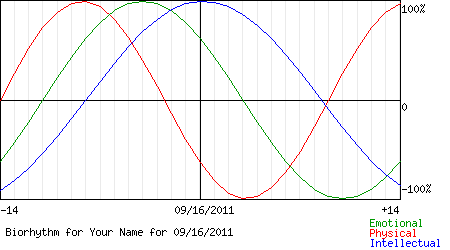
A biorhythms chart is a graphical representation of these cycles, typically displayed as sine waves that show the highs and lows of each cycle over a certain period of time. The three main cycles shown on a biorhythms chart are physical, emotional, and intellectual.
Understanding the Biorhythms Chart
The physical cycle on a biorhythms chart represents your energy levels and physical well-being. It typically lasts for 23 days and is characterized by peaks and valleys that indicate times of high and low energy. The emotional cycle, lasting for 28 days, reflects your emotional state and mood swings. Lastly, the intellectual cycle, lasting for 33 days, shows your mental acuity and analytical abilities.
By analyzing a biorhythms chart, you can identify days when all three cycles are at their peak, indicating a time of high productivity and well-being. Conversely, days when all cycles are at their low points may suggest a time for rest and relaxation. Understanding your biorhythms can help you plan your activities accordingly and optimize your performance.
It is important to note that biorhythms are not scientifically proven and are considered pseudoscience by many experts. However, some individuals find value in tracking their biorhythms and using the information as a tool for self-improvement and personal development. Whether you believe in biorhythms or not, it can be an interesting way to reflect on your physical, emotional, and intellectual well-being.
In conclusion, a biorhythms chart is a visual representation of the natural cycles that influence our daily lives. While the concept of biorhythms may not be supported by scientific evidence, some people find value in using biorhythms charts as a tool for self-awareness and personal growth. Whether you choose to follow your biorhythms or not, understanding these cycles can provide insight into your overall well-being and help you make informed decisions about your daily activities.