When it comes to maintaining a healthy diet, understanding the glycemic index (GI) of foods can be incredibly helpful. The GI is a ranking of carbohydrates on a scale from 0 to 100 based on how they affect blood sugar levels. Low GI foods are digested more slowly, causing a gradual rise in blood sugar levels, while high GI foods cause a rapid spike in blood sugar.
Low GI foods can help stabilize blood sugar levels, improve energy levels, and promote weight loss. Including a variety of low GI foods in your diet can also reduce the risk of chronic diseases such as diabetes and heart disease.
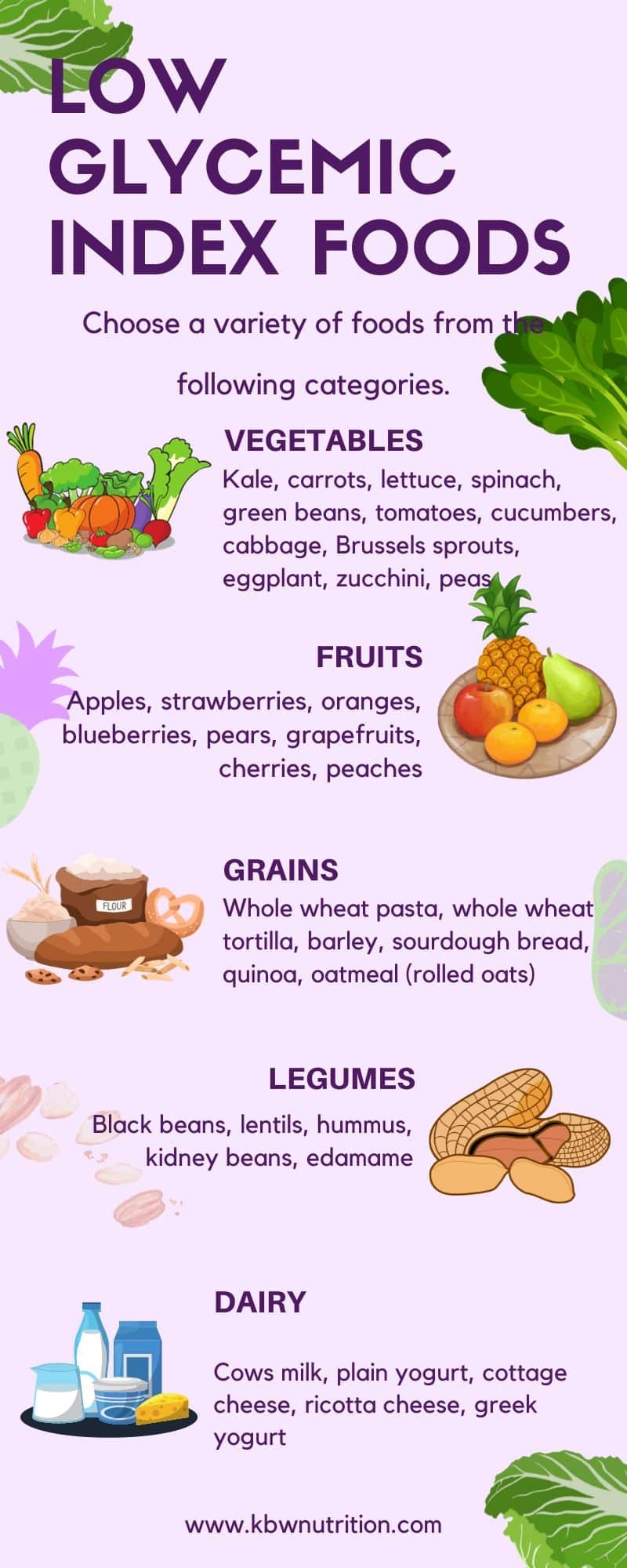
Low GI Index Food Chart
Here is a list of some common low GI foods that you can incorporate into your daily meals:
- Quinoa
- Sweet potatoes
- Legumes (beans, lentils, chickpeas)
- Steel-cut oats
- Non-starchy vegetables (broccoli, cauliflower, spinach)
These foods are not only low in GI, but they are also packed with essential nutrients, fiber, and antioxidants that are beneficial for overall health. By including a variety of these foods in your diet, you can improve your energy levels, manage your weight, and reduce your risk of chronic diseases.
It’s important to note that the GI of a food can vary depending on how it is prepared and what it is eaten with. For example, cooking pasta al dente can lower its GI, and adding protein or healthy fats to a meal can help lower the overall GI of the meal.
By using this low GI index food chart as a guide, you can make informed choices about the foods you eat and create balanced meals that will support your overall health and well-being.
Remember, a healthy diet is not about deprivation or strict rules, but about making smart choices that nourish your body and support your long-term health goals.