Understanding your body fat percentage is crucial for maintaining overall health and fitness. While weight alone can be a misleading indicator of health, body fat percentage gives a more accurate picture of your body composition. By tracking your body fat percentage, you can better assess your progress towards your fitness goals and make necessary adjustments to your diet and exercise routine.
A body fat percentage chart is a helpful tool that provides a reference point for individuals to determine where they fall in terms of body fat percentage. These charts typically categorize body fat percentage into different ranges, such as essential fat, athletic, fitness, average, and obese. By comparing your body fat percentage to these ranges, you can assess whether you are within a healthy range or if you need to make changes to improve your overall health.
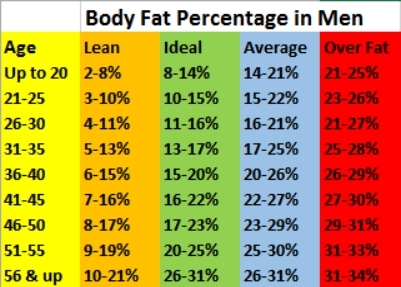
For men, a body fat percentage of 2-5% is considered essential fat, 6-13% is athletic, 14-17% is fitness, 18-24% is average, and 25% and above is obese. For women, essential fat is 10-13%, athletic is 14-20%, fitness is 21-24%, average is 25-31%, and obese is 32% and above. It is important to note that individual body fat percentage ranges may vary based on age, gender, and level of physical activity.
Monitoring your body fat percentage regularly can help you track your progress and make informed decisions about your health and fitness goals. By combining this information with other metrics such as weight, muscle mass, and waist circumference, you can get a comprehensive view of your overall health and make adjustments as needed. Remember that achieving a healthy body fat percentage is not just about aesthetics, but also about reducing the risk of chronic diseases and improving overall well-being.
In conclusion, understanding and monitoring your body fat percentage is an important aspect of maintaining optimal health and fitness. By using a body fat percentage chart as a reference point, you can track your progress and make informed decisions about your health and fitness goals. Remember to consult with a healthcare professional or fitness expert to develop a personalized plan that takes into account your individual needs and goals.