Resting heart rate is the number of times your heart beats per minute while at rest. It is an important indicator of overall health and fitness levels. For women, having a lower resting heart rate is generally associated with better cardiovascular health and fitness.
Factors that can affect resting heart rate in women include age, fitness level, stress levels, and overall health. Monitoring your resting heart rate can help you track changes in your health and fitness over time.
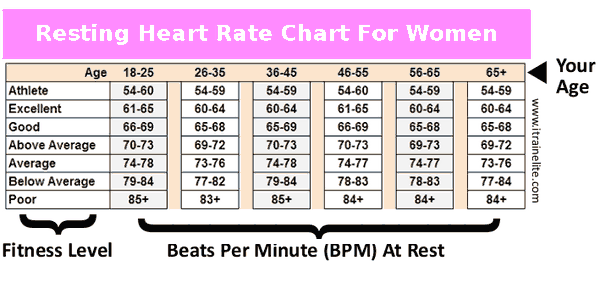
Resting Heart Rate Chart for Women
According to the American Heart Association, the average resting heart rate for adult women is between 60-100 beats per minute. However, athletes and individuals who are more physically fit may have resting heart rates below 60 beats per minute.
Here is a general guideline for resting heart rate categories for women:
- Excellent: 50-59 bpm
- Good: 60-69 bpm
- Average: 70-79 bpm
- Below Average: 80-89 bpm
- Poor: 90+ bpm
It’s important to note that individual resting heart rates can vary, so it’s best to consult with a healthcare professional to determine what is considered a healthy resting heart rate for you based on your age, fitness level, and overall health.
Regular exercise, stress management, and a healthy diet can all help lower your resting heart rate and improve your overall cardiovascular health. By monitoring your resting heart rate and making lifestyle changes, you can improve your heart health and reduce your risk of heart disease.
In conclusion, understanding your resting heart rate and how it relates to your overall health and fitness is important for women of all ages. By keeping track of your resting heart rate and making positive lifestyle changes, you can improve your cardiovascular health and well-being.