When it comes to measuring the thickness or diameter of certain materials such as wires, needles, or sheet metal, gauge is a common unit of measurement used. However, many individuals may find it confusing to convert gauge measurements to inches. This is where a gauge to inches chart can come in handy, providing a quick and easy reference for converting between the two units of measurement.
Understanding how to read and use a gauge to inches chart can be beneficial for various industries and applications, including construction, manufacturing, and crafting. By having a clear reference point for converting gauge measurements to inches, individuals can ensure accuracy and precision in their projects.
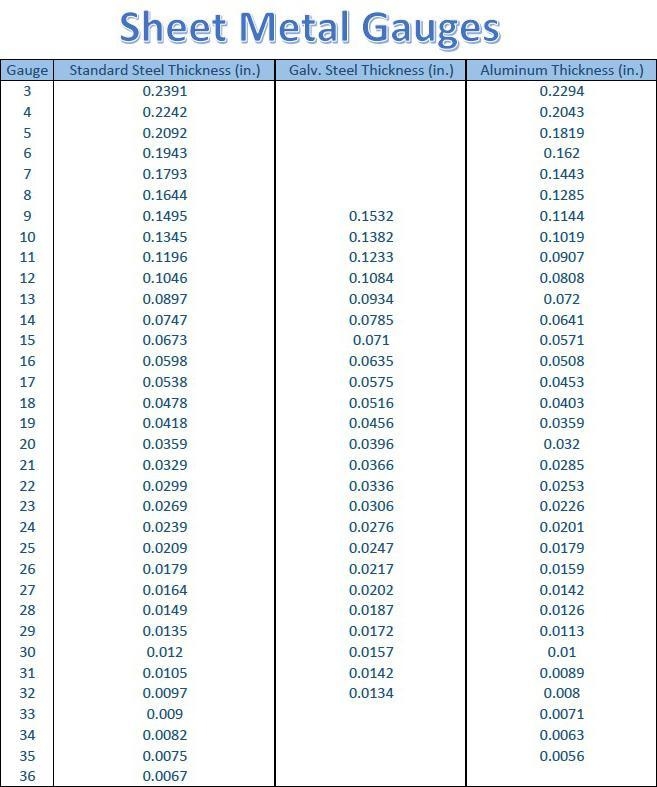
Below is a handy gauge to inches chart for quick reference:
| Gauge | Inches |
|---|---|
| 0 | 0.3249 |
| 1 | 0.3000 |
| 2 | 0.2760 |
| 3 | 0.2520 |
It’s important to note that the gauge to inches chart may vary depending on the material being measured, as different materials have different thicknesses for each gauge measurement. Therefore, it’s crucial to use the appropriate gauge to inches chart for the specific material you are working with to ensure accurate measurements.
By familiarizing yourself with a gauge to inches chart and understanding how to convert between the two units of measurement, you can streamline your projects and ensure precision in your work. Whether you are working with wires, needles, or sheet metal, having a reliable reference point for gauge to inches conversions can save time and effort in your endeavors.
In conclusion, a gauge to inches chart is a valuable tool for individuals working with materials that require precise measurements. By utilizing this chart, you can easily convert between gauge and inches measurements, ensuring accuracy and efficiency in your projects. Whether you are a professional in the construction industry or a hobbyist crafter, a gauge to inches chart can be a useful resource to have on hand.