When it comes to working with nuts and bolts, having the right tools is essential. One common issue that arises is the need to convert between metric and standard socket sizes. This can be confusing for many, but having a conversion chart can make the process much easier.
Understanding the differences between metric and standard sockets is crucial for any DIY enthusiast or professional mechanic. By knowing how to convert between the two, you can ensure that you always have the right tool for the job.
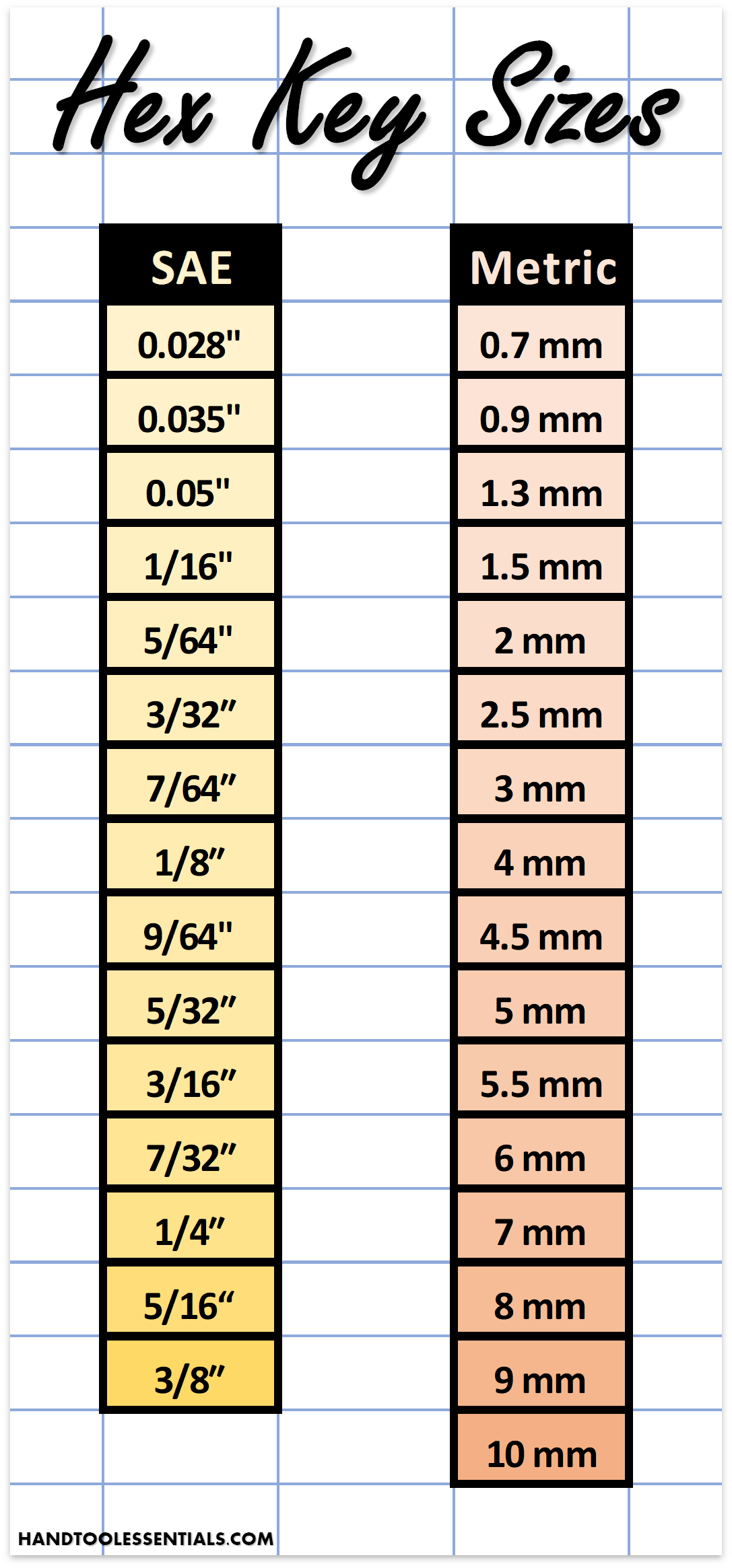
Metric Sockets to Standard Conversion Chart
Below is a handy conversion chart that can help you easily convert between metric and standard socket sizes:
| Metric Size (mm) | Standard Size (inches) |
|---|---|
| 5 | 3/16 |
| 6 | 1/4 |
| 7 | 9/32 |
| 8 | 5/16 |
| 9 | 11/32 |
Using this conversion chart, you can easily determine the equivalent standard socket size for any metric size you encounter. This can save you time and frustration when working on projects that require both metric and standard tools.
It’s important to note that while this conversion chart is a helpful tool, it’s always best to double-check your measurements before using a socket to avoid any mishaps. Having a set of both metric and standard sockets in your toolbox is also recommended to ensure you have the right tool for any situation.
By understanding how to convert between metric and standard socket sizes, you can be better equipped to tackle any project that comes your way. Whether you’re a professional mechanic or a DIY enthusiast, having the right tools and knowledge is key to success.
Next time you’re faced with the dilemma of needing to convert between metric and standard socket sizes, refer back to this handy conversion chart to make the process quick and easy. With the right tools and knowledge, you can confidently tackle any project with ease.