When it comes to scuba diving, having the right equipment is essential for a safe and enjoyable experience. One of the most important pieces of equipment for scuba diving is the scuba tank. Scuba tanks come in a variety of sizes, each with its own advantages and limitations. Understanding the different sizes available can help you choose the right tank for your diving needs.
Scuba tanks are typically made of aluminum or steel and are filled with compressed air or a mixture of gases. The size of the tank is measured in cubic feet or liters, indicating the volume of air that the tank can hold. Larger tanks will allow you to stay underwater for longer periods, while smaller tanks are more compact and easier to transport.
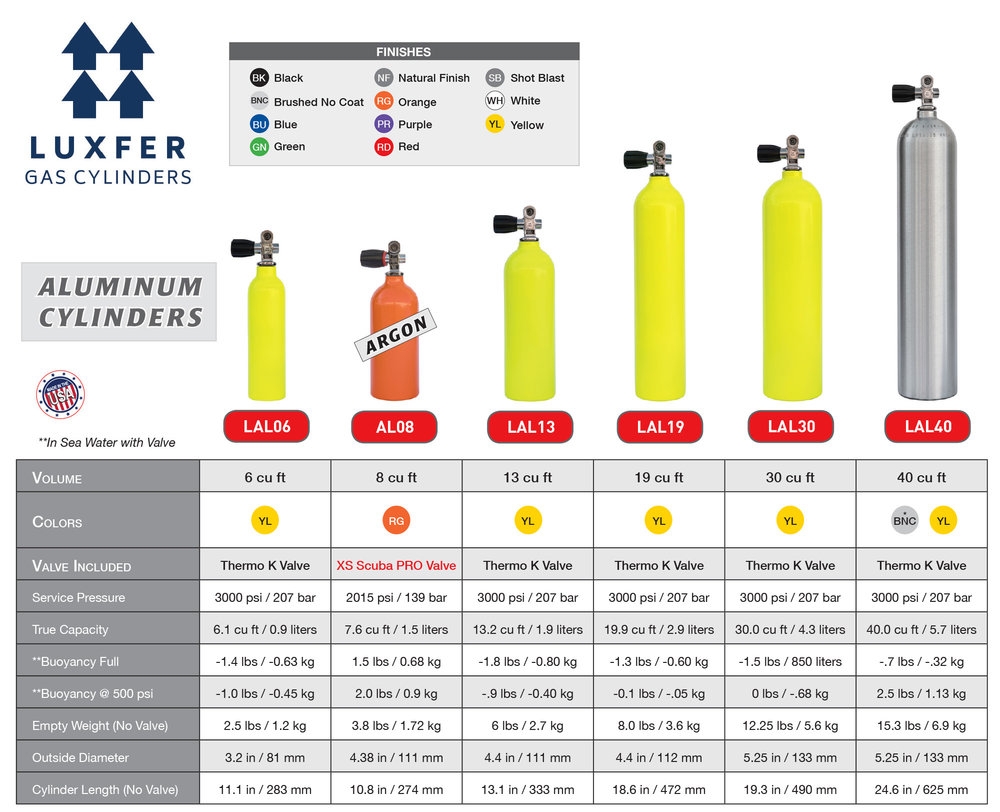
Scuba Tank Size Chart
Here is a breakdown of common scuba tank sizes:
- Small Tanks (50-80 cubic feet): Ideal for shallow dives or for younger or smaller divers. These tanks are lightweight and easy to handle, but may not provide enough air for longer dives.
- Standard Tanks (80-100 cubic feet): The most common size for recreational divers. These tanks offer a good balance of air capacity and portability, making them suitable for a variety of diving conditions.
- Large Tanks (over 100 cubic feet): Preferred by technical divers or those who need extra air supply for deep or prolonged dives. These tanks are heavier and may require additional buoyancy control.
When choosing a scuba tank size, consider factors such as your diving experience, the depth and duration of your dives, and your physical fitness. It’s important to consult with a certified dive instructor or equipment specialist to ensure you select the right tank for your needs.
Remember that proper tank maintenance and care are crucial for your safety underwater. Always inspect your tank for signs of damage or wear before diving, and follow proper procedures for filling, handling, and storing your scuba tank.
By understanding the different scuba tank sizes available and choosing the right tank for your diving needs, you can enjoy a safe and rewarding underwater experience. So, dive in and explore the wonders of the ocean with confidence!