Understanding your blood pressure readings is essential for maintaining good health. Blood pressure is measured in two numbers: systolic pressure (the top number) and diastolic pressure (the bottom number). Systolic pressure measures the force of blood against the artery walls when the heart beats, while diastolic pressure measures the force of blood when the heart is at rest between beats. Keeping track of these numbers can help identify any potential health issues and prevent serious conditions like heart disease and stroke.
Monitoring your blood pressure regularly is crucial, especially if you have risk factors such as high cholesterol, diabetes, or a family history of heart disease. By understanding the systolic and diastolic readings, you can take proactive steps to maintain a healthy lifestyle and keep your heart in top condition.
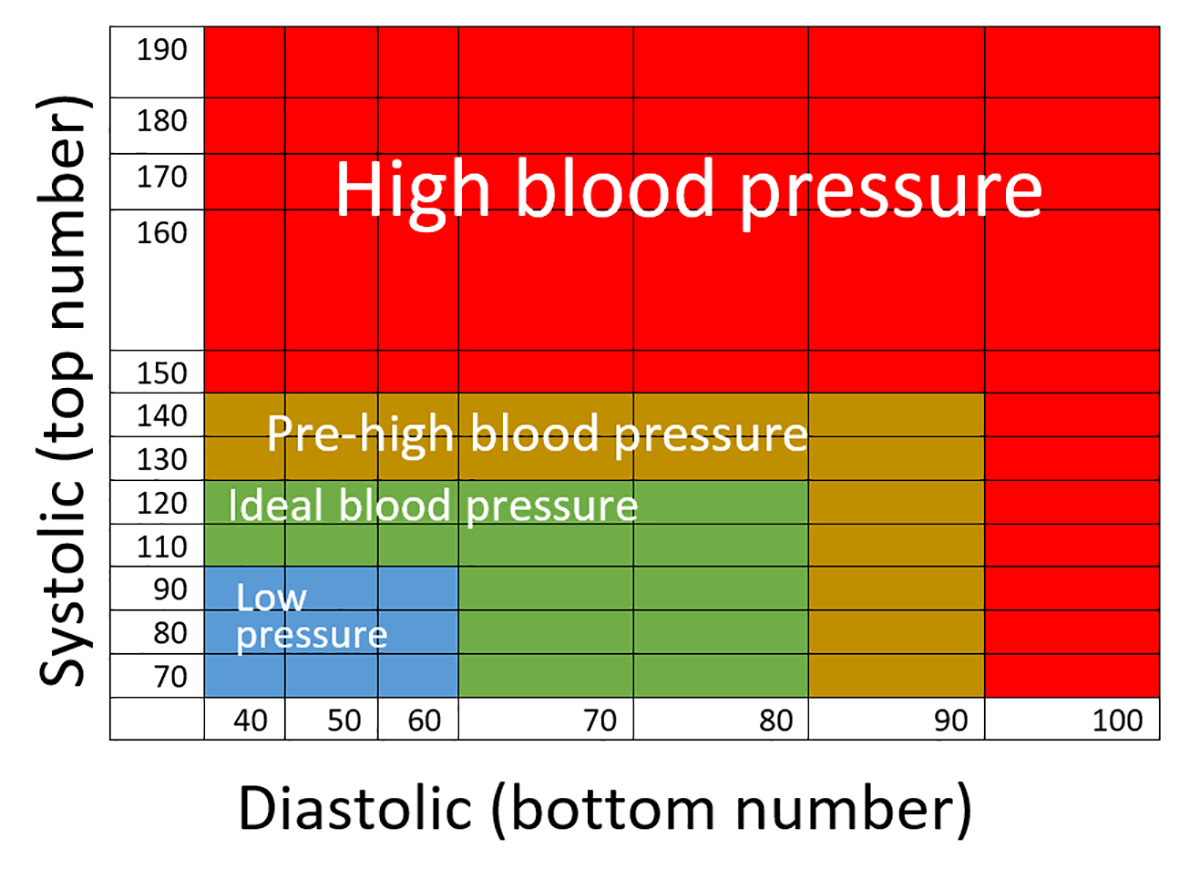
Here is a simple blood pressure chart to help you interpret your readings:
| Category | Systolic Pressure (mm Hg) | Diastolic Pressure (mm Hg) |
|---|---|---|
| Normal | Less than 120 | Less than 80 |
| Elevated | 120-129 | Less than 80 |
| Hypertension Stage 1 | 130-139 | 80-89 |
| Hypertension Stage 2 | 140 or higher | 90 or higher |
| Hypertensive Crisis | Above 180 | Above 120 |
It is important to note that these ranges may vary depending on age, gender, and overall health. Consult with your healthcare provider to determine your target blood pressure goals and develop a plan to achieve them.
By keeping track of your blood pressure readings and making healthy lifestyle choices, you can reduce your risk of developing cardiovascular diseases and lead a longer, healthier life. Remember, prevention is key when it comes to maintaining optimal heart health.
Take charge of your health today by monitoring your blood pressure regularly and making positive changes to your diet and exercise routine. Your heart will thank you for it!