Eggs are a versatile and nutritious food that can be enjoyed in a variety of ways. They are a staple in many diets around the world, and for good reason. Not only are eggs delicious, but they are also packed with essential nutrients that are beneficial for overall health.
Whether you like them scrambled, poached, boiled, or fried, eggs are a great source of protein, vitamins, and minerals that can help fuel your body throughout the day.
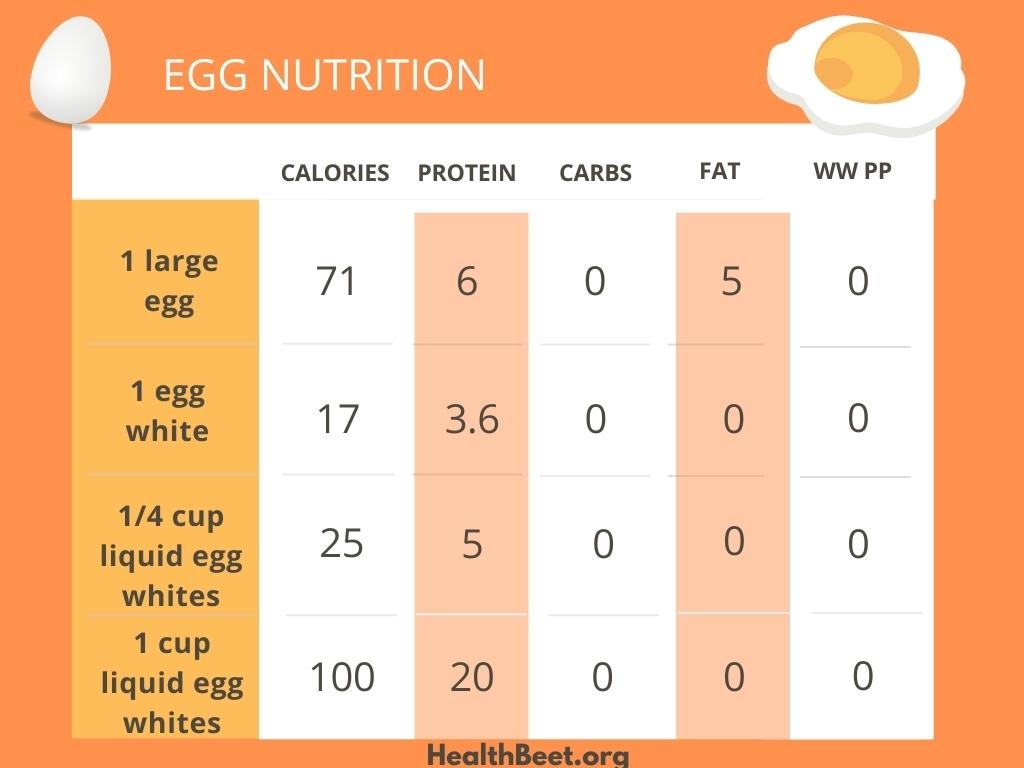
Eggs Nutrition Chart
Here is a breakdown of the nutritional content found in a single large egg:
- Calories: 70
- Protein: 6 grams
- Fat: 5 grams
- Cholesterol: 186 mg
- Carbohydrates: 1 gram
- Vitamin A: 6% of the Daily Value (DV)
- Vitamin D: 10% of the DV
- Vitamin E: 6% of the DV
- Vitamin B12: 9% of the DV
- Iron: 5% of the DV
- Zinc: 2% of the DV
- Calcium: 2% of the DV
Eggs are also a good source of essential amino acids, which are the building blocks of protein. They contain all nine essential amino acids that the body cannot produce on its own, making them a complete protein source.
Additionally, eggs are rich in antioxidants such as lutein and zeaxanthin, which are beneficial for eye health. These antioxidants help protect the eyes from harmful UV rays and reduce the risk of age-related macular degeneration.
It is important to note that the nutritional content of eggs can vary depending on how they are prepared. For example, frying eggs in butter or oil can increase the fat and calorie content, while boiling or poaching eggs can help retain their nutritional value.
In conclusion, eggs are a nutrient-dense food that can be a valuable addition to a balanced diet. They are a great source of protein, vitamins, and minerals that can help support overall health. So, next time you’re looking for a quick and nutritious meal, consider adding eggs to your menu!