When it comes to getting a new piercing, one of the most important things to consider is the gauge of the jewelry you will be using. Piercing gauge refers to the thickness of the jewelry that will be inserted into the piercing hole. Understanding piercing gauges is crucial for ensuring that your new piercing heals properly and that you choose the right jewelry for your piercing.
It is essential to consult with a professional piercer before getting a new piercing to determine the appropriate gauge for your specific piercing location. Using the wrong gauge can lead to discomfort, irritation, and even complications during the healing process.
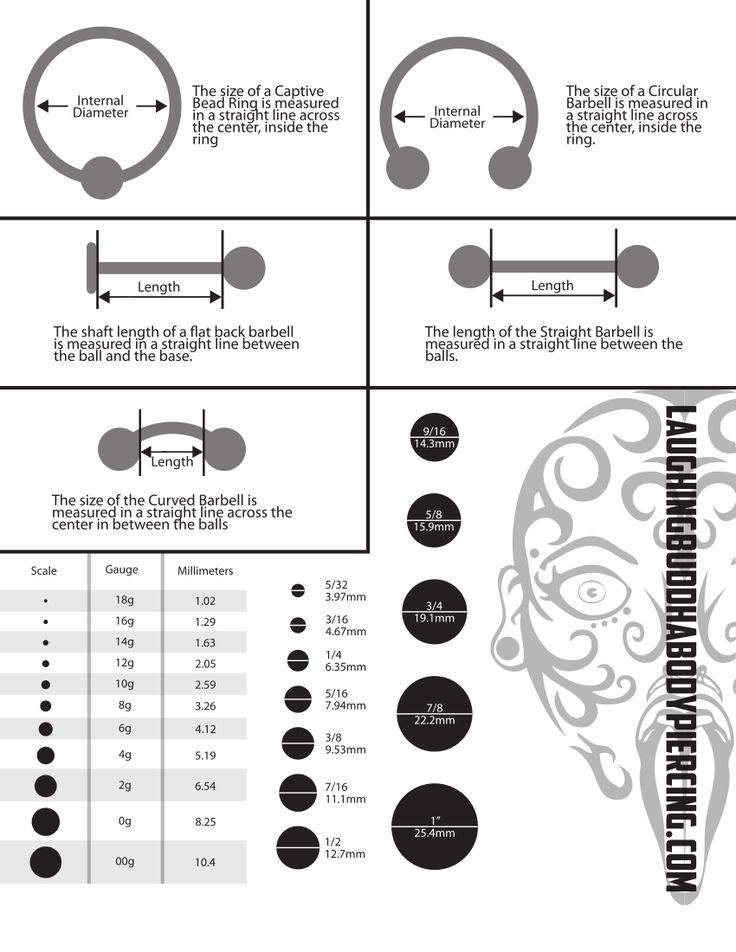
Piercing Gauge Chart
Here is a common piercing gauge chart that shows the standard sizes for different types of piercings:
| Piercing Location | Standard Gauge Size |
|---|---|
| Earlobe | 20G – 16G |
| Helix | 20G – 16G |
| Septum | 16G – 14G |
| Navel | 14G – 12G |
| Tongue | 14G – 12G |
It is important to note that these are just standard gauge sizes and may vary depending on individual anatomy and preference. Your piercer will be able to recommend the best gauge size for your specific piercing.
Choosing the right gauge size is crucial for ensuring that your piercing heals properly and that you are comfortable wearing your jewelry. Using a gauge that is too small can cause the jewelry to become embedded in the skin, while using a gauge that is too large can lead to stretching and thinning of the tissue.
By understanding the importance of piercing gauges and consulting with a professional piercer, you can ensure that your new piercing experience is safe and successful. Always follow your piercer’s aftercare instructions and be mindful of any changes or discomfort in your piercing.
Closing Thoughts
Remember that every piercing is unique, and it is essential to choose the right gauge size for your specific piercing location. By following the guidelines provided by your piercer and being mindful of your body’s healing process, you can enjoy your new piercing for years to come.