Knowing your blood group is essential for medical purposes such as blood transfusions, organ transplants, and even during pregnancy. Each blood group has specific antigens and antibodies that can react differently when mixed with another blood group. This is why having a blood groups chart handy can be life-saving in emergency situations.
There are four main blood groups – A, B, AB, and O. Each group can be either positive or negative, depending on the presence of the Rh factor. Understanding your blood group can also provide insights into your overall health and susceptibility to certain diseases.
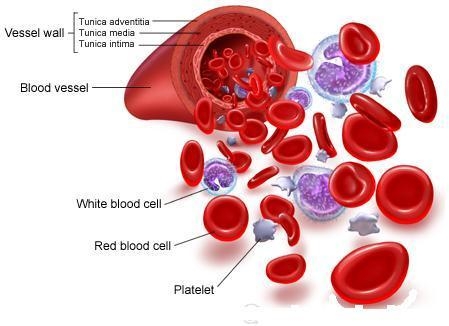
Blood Groups Chart
Below is a blood groups chart that shows the compatibility of blood groups for transfusions:
| Blood Group | Can Donate To | Can Receive From |
|---|---|---|
| A+ | A+ AB+ | A+ A- O+ O- |
| B+ | B+ AB+ | B+ B- O+ O- |
| AB+ | AB+ | All Blood Groups |
| O+ | All Blood Groups | O+ O- |
| A- | A+ A- AB+ AB- | A- O- |
It is important to note that individuals with O negative blood are considered universal donors, as their blood can be transfused to individuals with any blood group. On the other hand, individuals with AB positive blood are universal recipients, as they can receive blood from any blood group.
Understanding blood groups can also play a role in genetic inheritance and paternity testing. By knowing the blood groups of both parents, it is possible to determine the possible blood groups of their offspring, which can be crucial in medical situations.
In conclusion, having a good understanding of blood groups and their compatibility is vital for medical professionals and individuals alike. By referring to a blood groups chart and knowing your own blood group, you can help ensure safe and effective medical treatments when needed.