The Bristol Stool Chart is a medical tool used to classify the form of human feces into seven categories. It was developed by Dr. Ken Heaton at the University of Bristol in the United Kingdom in the early 1990s. This chart is widely used by healthcare professionals to assess the health of a patient’s digestive system and bowel movements.
Understanding the Bristol Stool Chart can provide valuable insights into a person’s gastrointestinal health. By identifying the type of stool being passed, healthcare providers can diagnose various digestive disorders and make appropriate treatment recommendations.
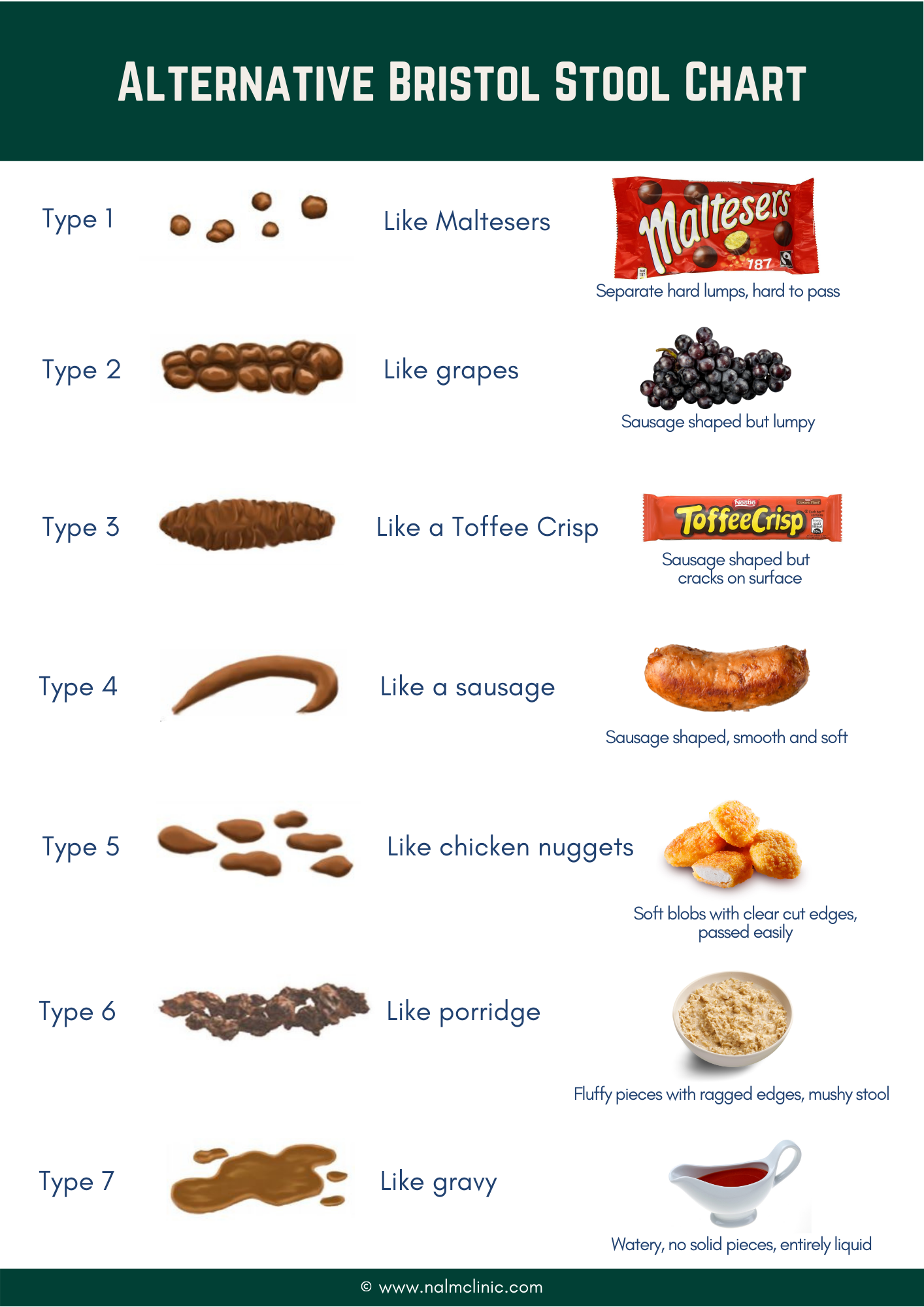
Bristol Stool Chart
The Bristol Stool Chart consists of seven different types of stools, ranging from Type 1 (hard lumps) to Type 7 (watery diarrhea). Each type is assigned a corresponding number and description to help individuals and healthcare professionals easily identify the form of stool being passed.
Type 1 and 2 stools are indicative of constipation, while Type 3 and 4 stools are considered normal and healthy. Types 5, 6, and 7 stools may indicate diarrhea or other gastrointestinal issues that require medical attention.
Using the Bristol Stool Chart can help individuals monitor their bowel movements and identify any changes that may indicate an underlying health problem. By keeping track of the type and frequency of stools passed, individuals can provide valuable information to their healthcare providers for proper diagnosis and treatment.
If you notice any significant changes in your stool consistency or frequency, it is important to consult with a healthcare professional for further evaluation. Ignoring potential signs of digestive issues can lead to more serious health complications down the line. By using the Bristol Stool Chart as a reference, you can take control of your digestive health and make informed decisions about your overall well-being.
In conclusion, the Bristol Stool Chart is a valuable tool for assessing gastrointestinal health and identifying potential digestive disorders. By understanding the different types of stools and their implications, individuals can take proactive steps to maintain a healthy digestive system and seek appropriate medical care when needed. Remember to consult with a healthcare professional if you have any concerns about your bowel movements and overall gastrointestinal health.