When it comes to hair care, understanding your hair type is essential. Hair charts can help you determine your specific hair type, which can then guide you in choosing the right products and styling techniques for your hair. There are several hair chart types that categorize hair based on various factors such as texture, density, and porosity.
The Andre Walker Hair Typing System is one of the most popular hair charts used to categorize hair types. It divides hair into four main categories – straight (Type 1), wavy (Type 2), curly (Type 3), and coily (Type 4). Each category is further divided into subcategories based on the hair’s texture and curl pattern.
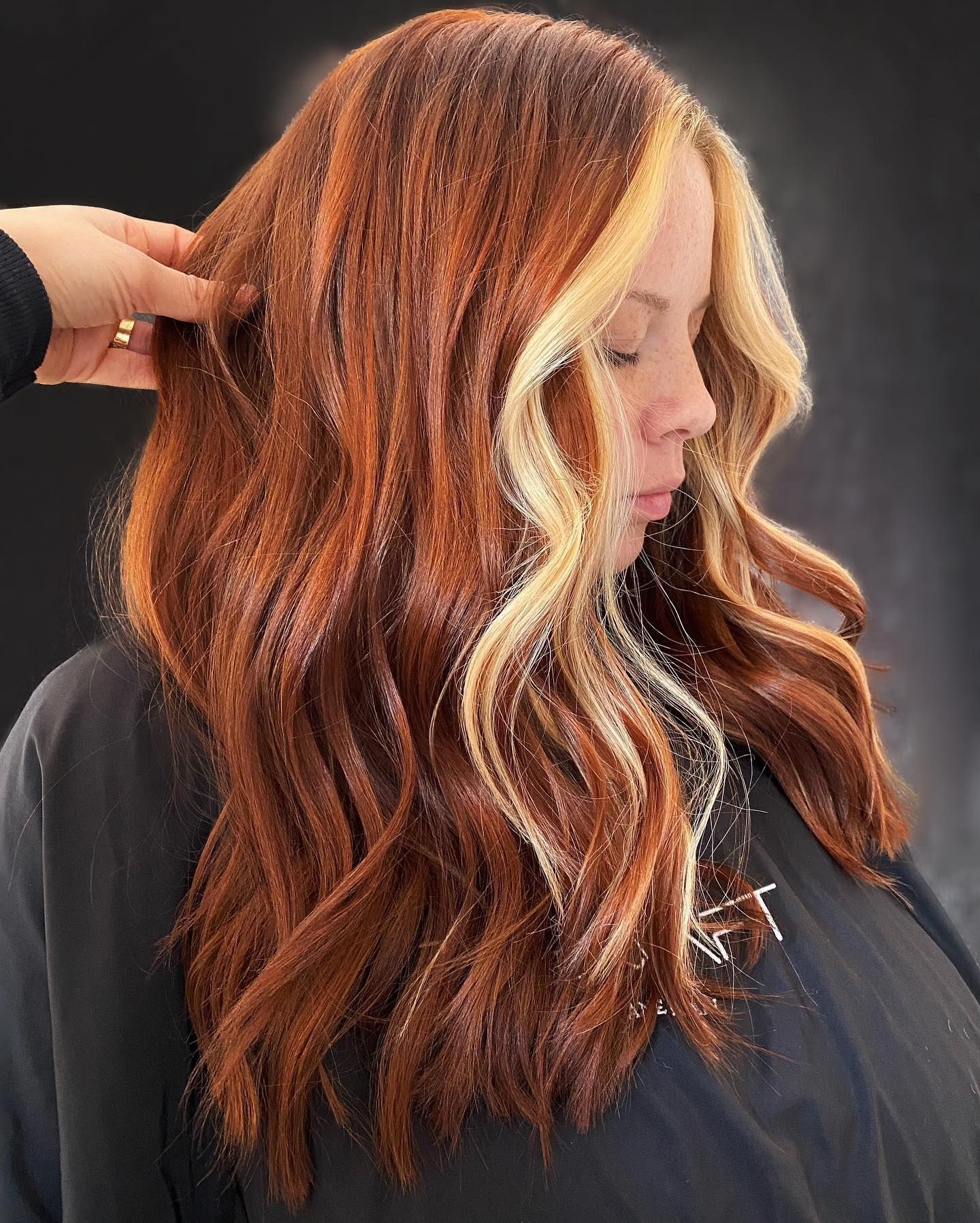
For example, Type 2 hair is categorized into 2A (loose waves), 2B (defined waves), and 2C (tight waves). Understanding your hair type according to this system can help you choose the right products and styling techniques to enhance your natural curl pattern.
2. L.O.I.S. Hair Typing System
The L.O.I.S. Hair Typing System takes into account hair texture, density, and porosity to categorize hair into four main types – L (low porosity), O (normal porosity), I (high porosity), and S (super high porosity). This system helps individuals understand their hair’s ability to absorb and retain moisture, which is crucial for maintaining healthy hair.
By knowing your hair’s porosity level, you can choose the right products that will hydrate and nourish your hair effectively. For example, low porosity hair may benefit from lightweight products that won’t weigh the hair down, while high porosity hair may require heavier, more moisturizing products.
3. FIA Hair Typing System
The FIA Hair Typing System categorizes hair based on its curl pattern, with Type 1 being straight hair and Type 4 being tightly coiled hair. Each type is further divided into subcategories based on the hair’s curl diameter, from A (fine) to C (coarse).
Understanding your hair’s curl pattern can help you choose the right styling techniques and products to enhance your natural curls or waves. For example, Type 3 hair may benefit from products that define and enhance the curl pattern, while Type 4 hair may benefit from products that moisturize and reduce frizz.
In conclusion, hair charts are valuable tools that can help individuals understand their hair type and choose the right products and styling techniques for their specific needs. By identifying your hair type according to a hair chart system, you can achieve healthier, more manageable hair that looks its best.