When it comes to assessing one’s health, understanding the relationship between height, weight, and body mass index (BMI) is crucial. BMI is a measure of body fat based on height and weight that applies to adult men and women. It is a simple and effective tool to screen for weight categories that may lead to health problems.
Having a clear understanding of where you fall on the BMI chart can help you make informed decisions about your health and well-being. By knowing your BMI, you can work towards achieving a healthy weight and reducing the risk of various health conditions such as heart disease, diabetes, and high blood pressure.
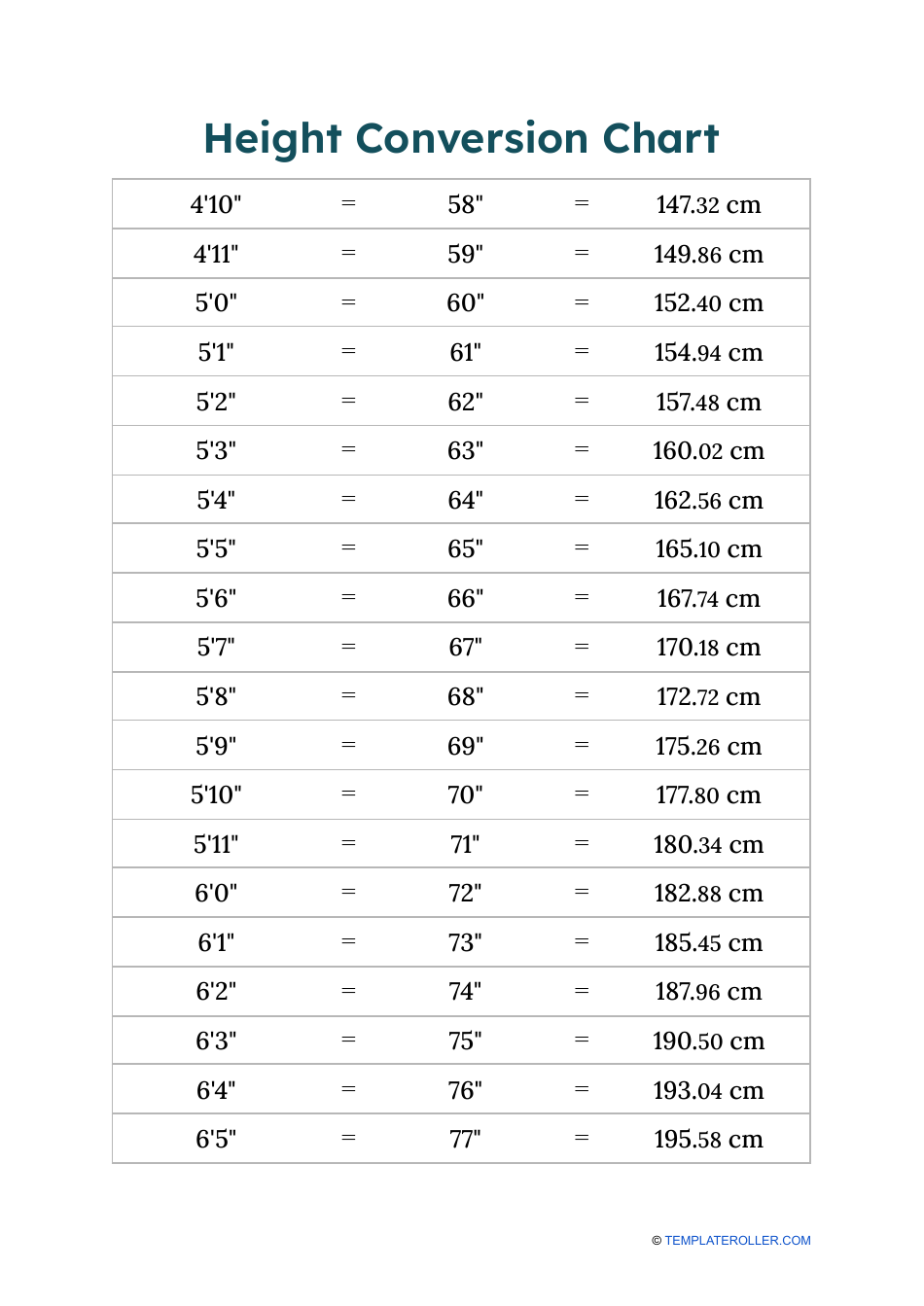
Height Weight Body Mass Index Chart
The height weight body mass index chart categorizes individuals into different weight categories based on their BMI. The chart typically consists of ranges for underweight, normal weight, overweight, and obese. By finding your height and weight on the chart, you can determine which category you fall into and take appropriate actions to improve your health.
For example, a BMI below 18.5 is considered underweight, while a BMI between 18.5 and 24.9 is considered normal weight. A BMI between 25 and 29.9 indicates overweight, and a BMI of 30 or higher indicates obesity. It is important to note that BMI is just one indicator of health and should be used in conjunction with other assessments such as waist circumference and overall lifestyle habits.
It’s essential to consult with a healthcare provider to interpret your BMI and discuss any necessary steps to improve your overall health. By making lifestyle changes such as adopting a healthy diet, increasing physical activity, and managing stress, you can work towards achieving a healthy weight and reducing your risk of chronic diseases.
Remember that everyone’s body is different, and factors such as muscle mass, bone density, and overall body composition can influence BMI results. Focus on making sustainable lifestyle changes that promote overall health and well-being rather than solely focusing on a number on the scale.
In conclusion, understanding the height weight body mass index chart can be a valuable tool in assessing your health and making informed decisions about your well-being. By knowing your BMI and taking steps to improve your overall health, you can work towards achieving a healthy weight and reducing your risk of chronic diseases.