Body Mass Index (BMI) is a measurement that helps determine if a person is at a healthy weight for their height. It is calculated by dividing a person’s weight in kilograms by their height in meters squared. BMI is a useful tool to assess whether someone is underweight, normal weight, overweight, or obese.
Knowing your BMI can help you understand your risk for certain health conditions such as heart disease, diabetes, and high blood pressure. It is important to note that BMI is just one indicator of overall health and should be used in conjunction with other assessments such as waist circumference, body fat percentage, and lifestyle factors.
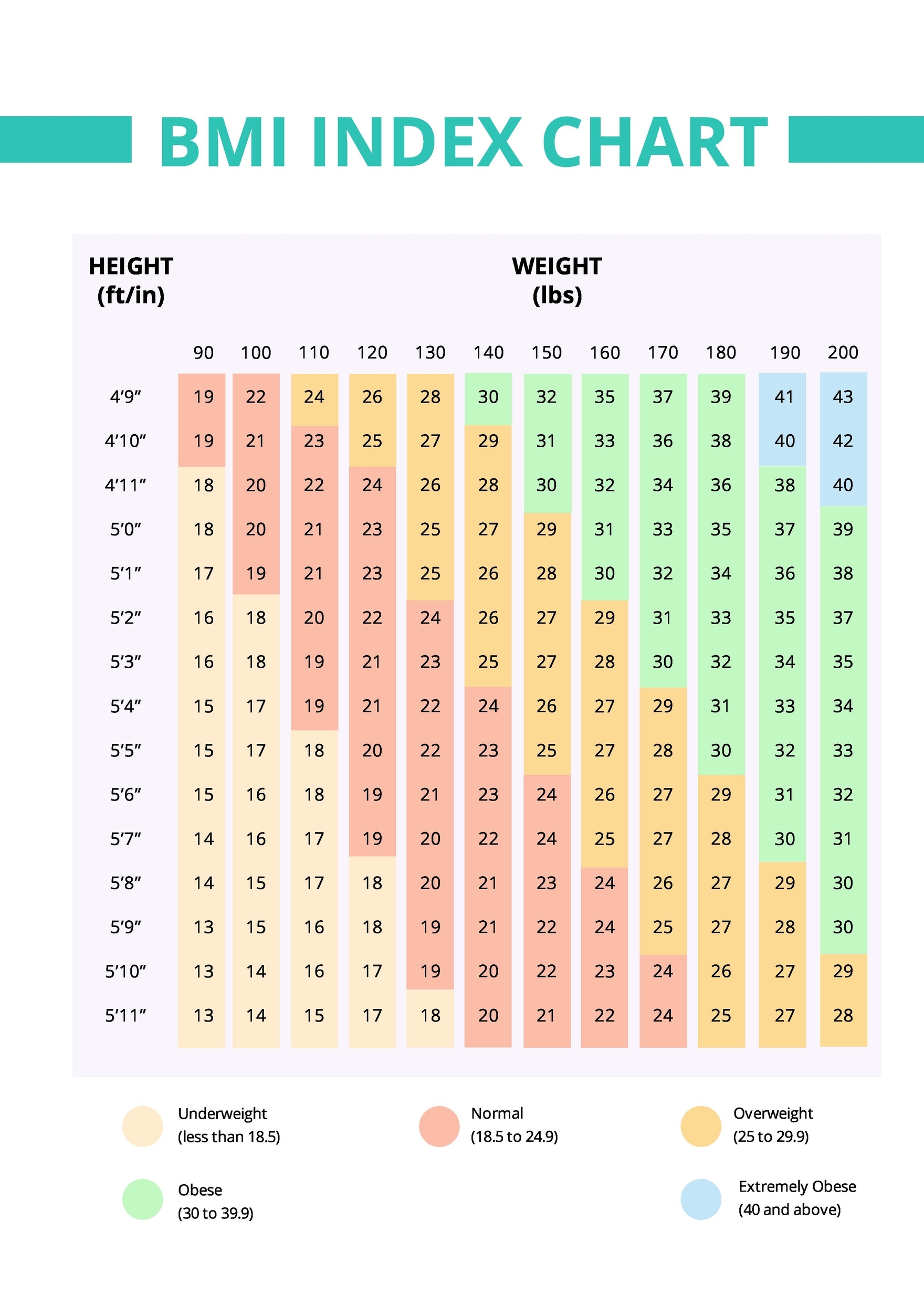
BMI Chart for Adults
Below is a standard BMI chart for adults:
| Category | BMI Range |
|---|---|
| Underweight | Less than 18.5 |
| Normal Weight | 18.5 – 24.9 |
| Overweight | 25 – 29.9 |
| Obese | 30 or greater |
It is important to consult with a healthcare provider to interpret your BMI in the context of your overall health. Your healthcare provider can help you develop a plan to achieve or maintain a healthy weight based on your individual needs and goals.
Remember that BMI is just one piece of the puzzle when it comes to your health. It is essential to focus on overall wellness, including regular physical activity, a balanced diet, adequate sleep, and stress management. Making small, sustainable changes to your lifestyle can have a significant impact on your overall health and well-being.
By understanding your BMI and taking steps to improve your health, you can reduce your risk of chronic diseases and improve your quality of life. Remember that everyone’s journey to health is unique, and it is essential to approach your health goals with patience, consistency, and self-compassion.