Body Mass Index (BMI) is a commonly used method to estimate whether a person has a healthy body weight for their height. It is calculated by dividing a person’s weight in kilograms by the square of their height in meters. BMI can be a useful tool to assess if a person is underweight, normal weight, overweight, or obese.
For men, BMI charts provide a range of values that correspond to different weight categories. Understanding where you fall on the BMI chart can help you make informed decisions about your health and lifestyle choices.
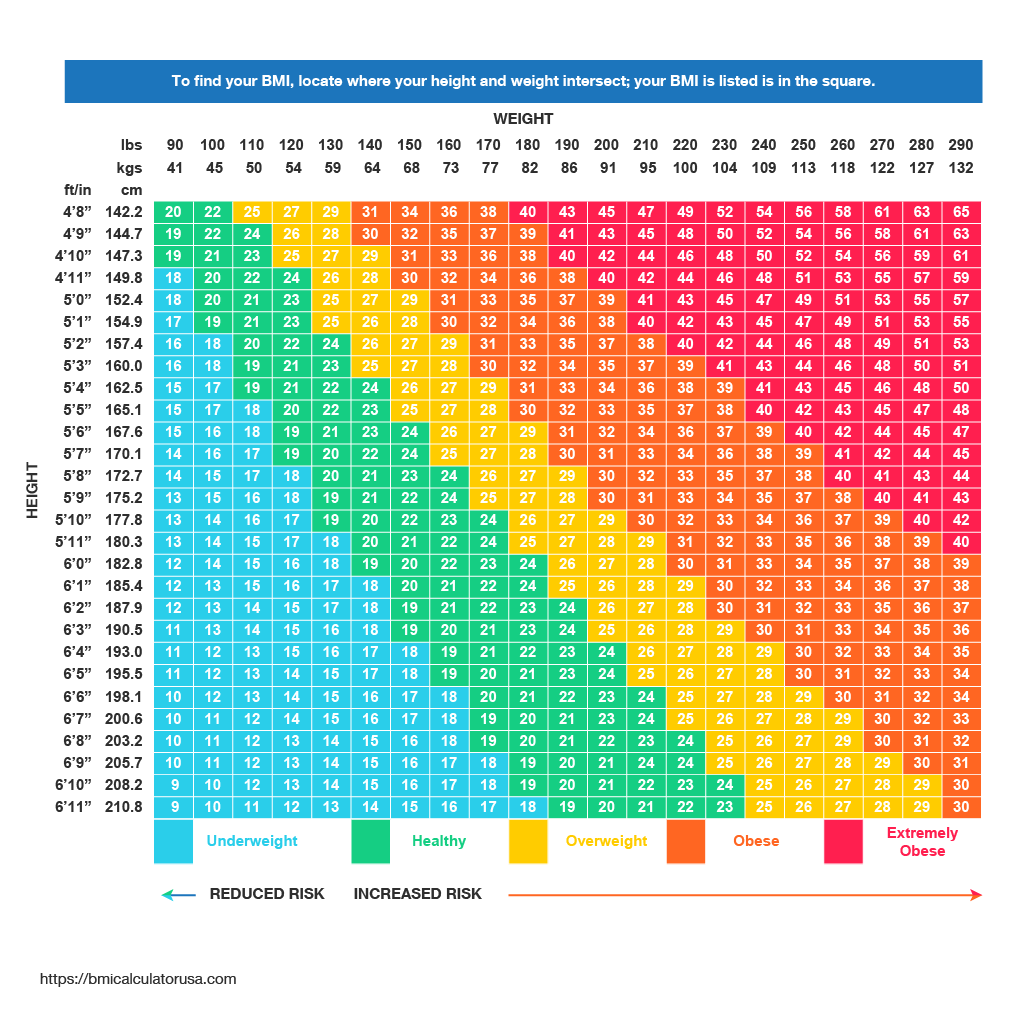
BMI Male Chart
Below is a general BMI chart for men:
| Category | BMI Range |
|---|---|
| Underweight | Less than 18.5 |
| Normal Weight | 18.5 – 24.9 |
| Overweight | 25 – 29.9 |
| Obese | 30 or greater |
It’s important to note that BMI is just one of many factors that can contribute to overall health. Muscle mass, bone density, and body composition are not taken into account when calculating BMI, so it may not always be an accurate indicator of health. It’s best to consult with a healthcare provider for a more comprehensive assessment.
Maintaining a healthy weight is essential for overall well-being and can reduce the risk of various chronic diseases. Eating a balanced diet, staying physically active, getting enough sleep, and managing stress are all important components of a healthy lifestyle.
By using the BMI chart as a guide, men can monitor their weight and make necessary adjustments to their diet and exercise routines to achieve and maintain a healthy BMI. Remember, it’s not just about the number on the scale, but about feeling good and taking care of your body.
Take control of your health and strive for a balanced BMI to support your overall well-being and longevity.