Body Mass Index (BMI) is a widely used tool to determine if a person is underweight, normal weight, overweight, or obese based on their height and weight. It is an important indicator of your overall health and can help you assess your risk for various diseases.
Calculating your BMI is simple and can provide valuable information about your health status. By knowing your BMI, you can take the necessary steps to improve your health and well-being.
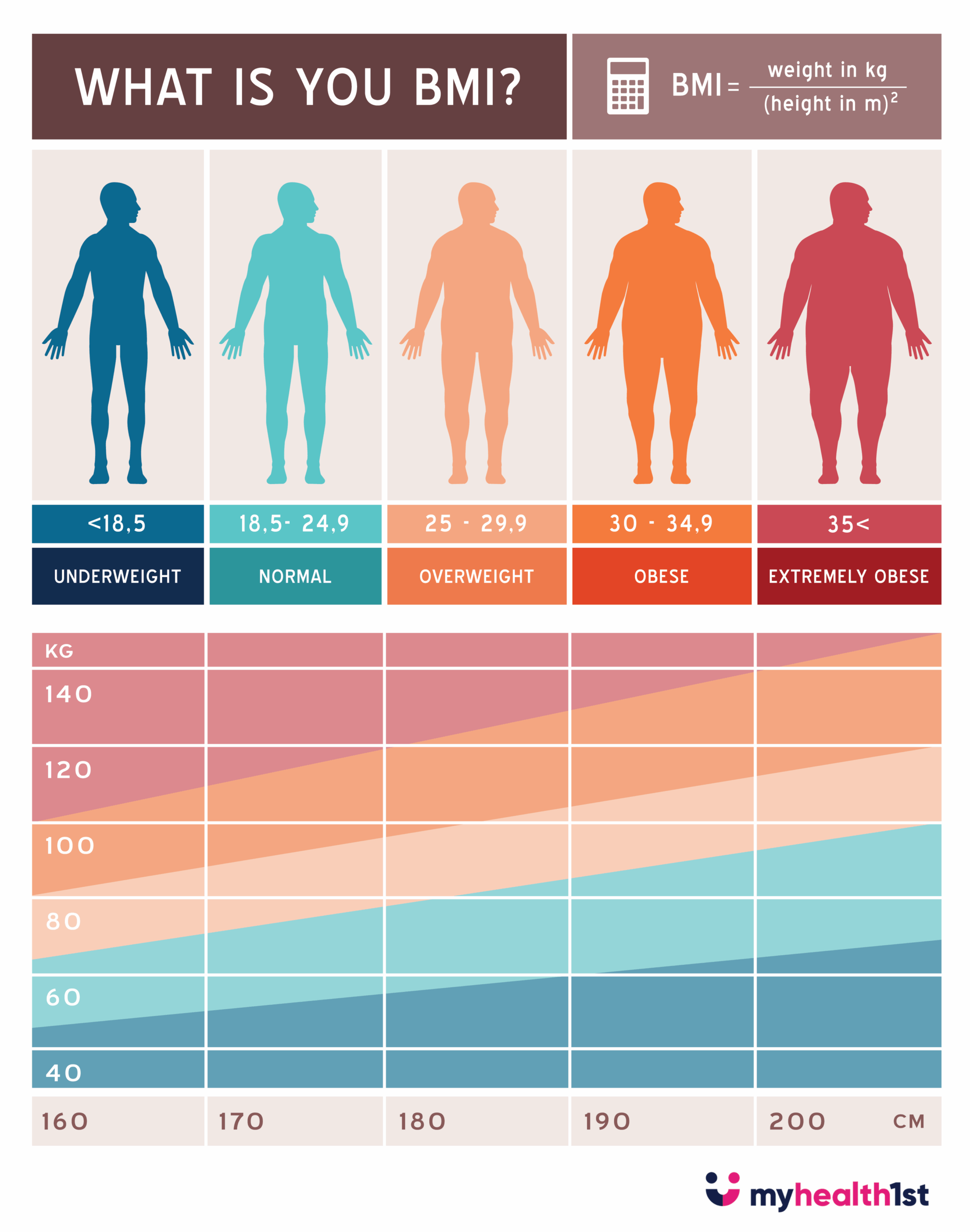
BMI Chart with Weight
Here is a standard BMI chart that shows the weight categories based on BMI:
| Category | BMI |
|---|---|
| Underweight | Below 18.5 |
| Normal weight | 18.5 – 24.9 |
| Overweight | 25 – 29.9 |
| Obese | 30 and above |
It is important to note that BMI is just one of the many factors to consider when assessing your health. Factors such as muscle mass, bone density, and overall body composition should also be taken into account.
If you find that your BMI falls into the overweight or obese category, it is essential to consult with a healthcare professional to develop a plan to improve your health. This may include changes to your diet, exercise routine, and lifestyle habits.
By regularly monitoring your BMI and making healthy choices, you can reduce your risk of developing chronic diseases such as heart disease, diabetes, and certain cancers. Remember that maintaining a healthy weight is key to living a long and fulfilling life.
In conclusion, knowing your BMI is an important step in taking control of your health. Use the BMI chart provided to assess your weight category and make the necessary changes to improve your overall well-being. Remember that small changes can lead to significant results in the long run.