Body Mass Index (BMI) is a commonly used measurement to determine whether a person is at a healthy weight for their height. For men, having a healthy BMI is important for overall health and reducing the risk of various diseases such as heart disease, diabetes, and high blood pressure.
Calculating your BMI is simple and can be done using a BMI chart. By knowing your BMI, you can make informed decisions about your diet and exercise routine to maintain a healthy weight and improve your overall well-being.
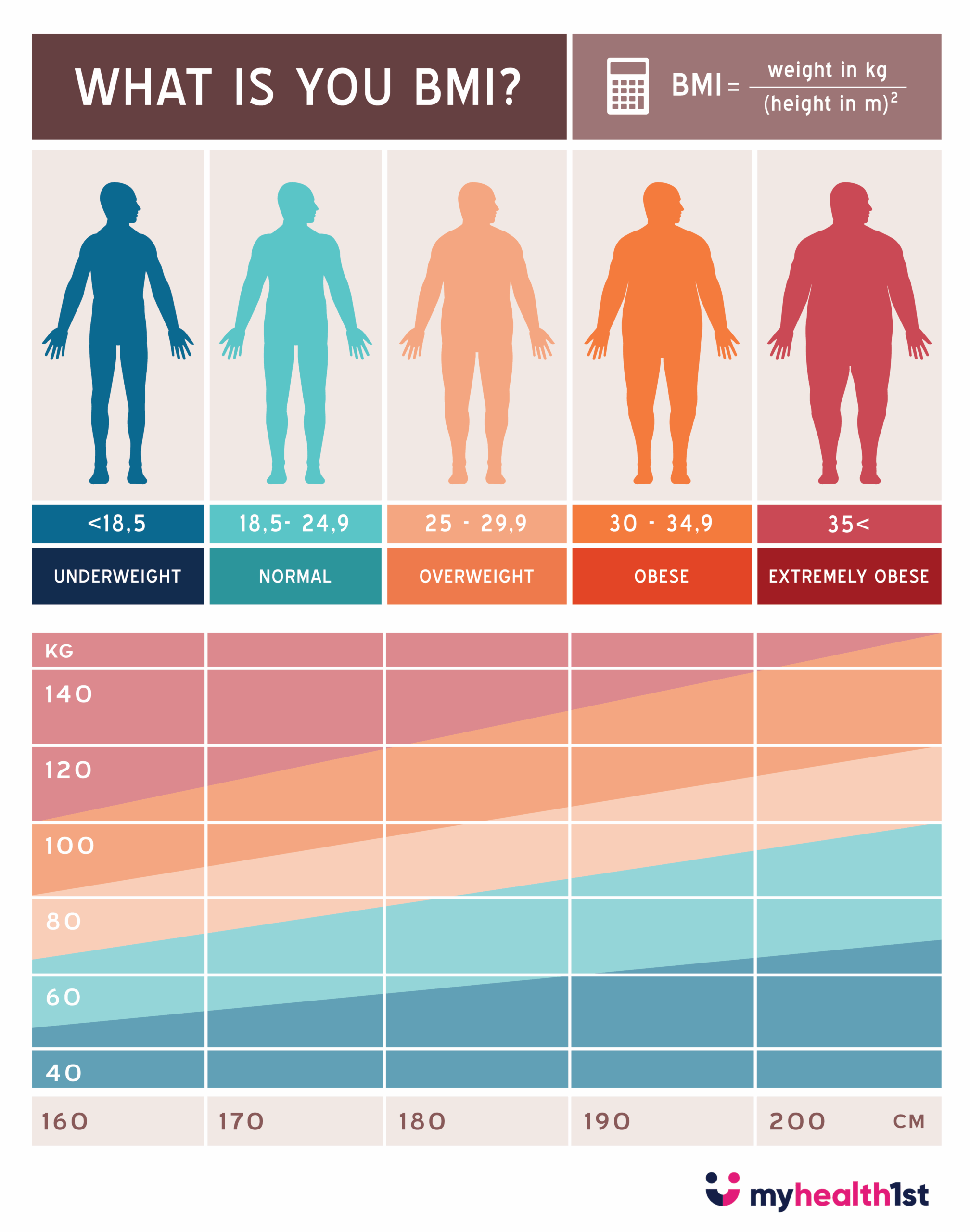
BMI Chart for Men
The BMI chart for men is categorized into different ranges to determine whether a person is underweight, normal weight, overweight, or obese. The BMI is calculated by dividing a person’s weight in kilograms by their height in meters squared. Here is a general guideline for BMI ranges in men:
– Underweight: BMI less than 18.5
– Normal weight: BMI 18.5-24.9
– Overweight: BMI 25-29.9
– Obese: BMI 30 or higher
It is important to note that BMI is a general measurement and may not always accurately reflect an individual’s health status. Factors such as muscle mass and body composition should also be considered when assessing overall health.
Consulting with a healthcare professional is recommended to determine an appropriate BMI goal and create a personalized plan to achieve and maintain a healthy weight.
By monitoring your BMI and making lifestyle changes as needed, you can take control of your health and reduce the risk of chronic diseases associated with being overweight or obese.
Remember, maintaining a healthy weight is not just about appearance but also about promoting overall wellness and longevity. Use the BMI chart as a tool to guide your health journey and make positive changes for a healthier future.