Exercise is an important aspect of maintaining a healthy lifestyle. Knowing your pulse rate during exercise can help you monitor your intensity level and ensure you are working out effectively. By tracking your pulse rate, you can make adjustments to your workout routine to achieve your fitness goals.
Understanding your target heart rate zone is crucial when it comes to getting the most out of your exercise routine. It is important to know the appropriate heart rate range for your age and fitness level in order to optimize the benefits of your workout.
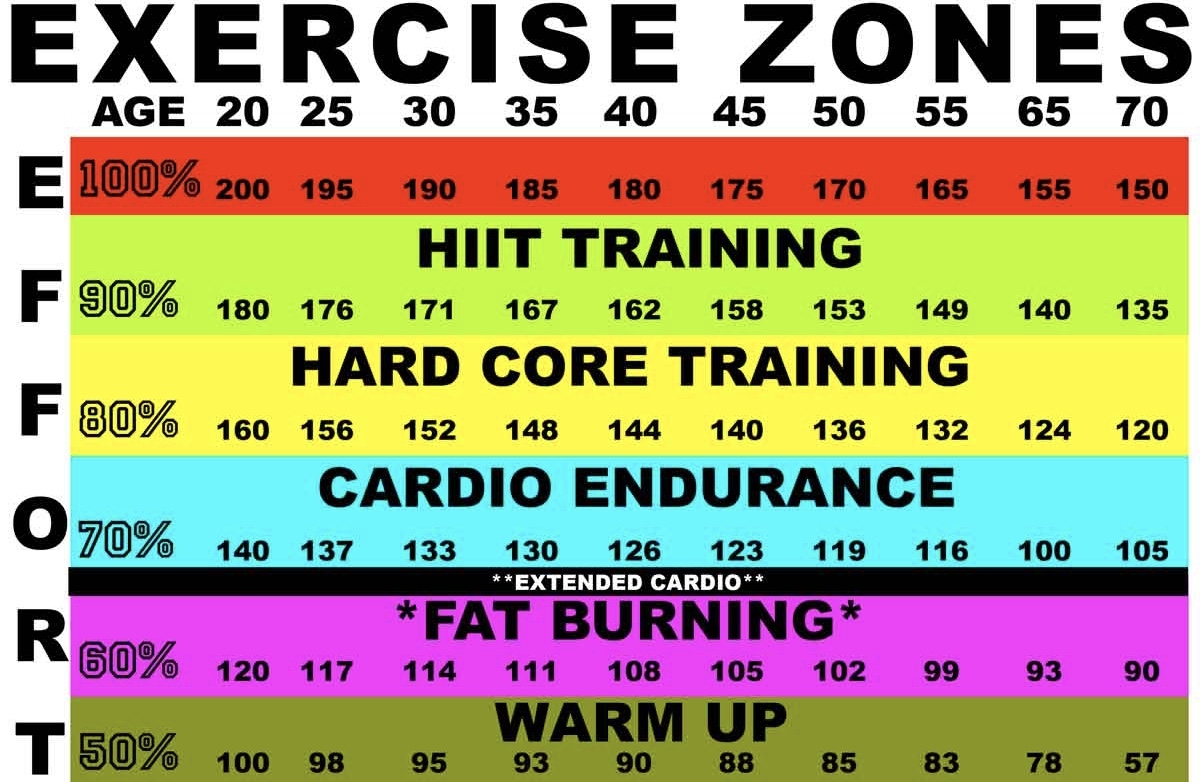
Exercise Pulse Rate Chart
Below is a general exercise pulse rate chart that shows the target heart rate zone for different age groups:
| Age | Target Heart Rate Zone (beats per minute) |
|---|---|
| 20 | 100-170 |
| 30 | 95-162 |
| 40 | 90-153 |
| 50 | 85-145 |
| 60 | 80-136 |
It is important to note that these numbers are general guidelines and may vary depending on individual factors such as fitness level, medications, and health conditions. Always consult with a healthcare professional before starting any new exercise program.
Monitoring your pulse rate during exercise can help you determine if you are working too hard or not hard enough. By staying within your target heart rate zone, you can ensure that you are getting the most out of your workout and reducing the risk of injury.
Remember to listen to your body and adjust your exercise intensity as needed. By using the exercise pulse rate chart as a guide, you can make the most of your workouts and achieve your fitness goals in a safe and effective manner.
So next time you hit the gym or go for a run, keep your pulse rate in check and make the most of your exercise routine!