Alphabet charts are a useful tool for teaching children the letters of the alphabet. They are often used in classrooms, homeschooling, and early childhood education settings to help students learn and recognize the letters of the alphabet. These charts can come in various forms, such as posters, flashcards, or digital resources, and are designed to be engaging and visually appealing to young learners.
Learning the alphabet is a fundamental skill that sets the foundation for reading and writing. Alphabet charts provide a visual reference for students to practice letter recognition, letter sounds, and letter formation. They can also be used as a reference tool for students who are learning to spell words or write sentences. By incorporating alphabet charts into lessons, educators can help students develop strong literacy skills from an early age.
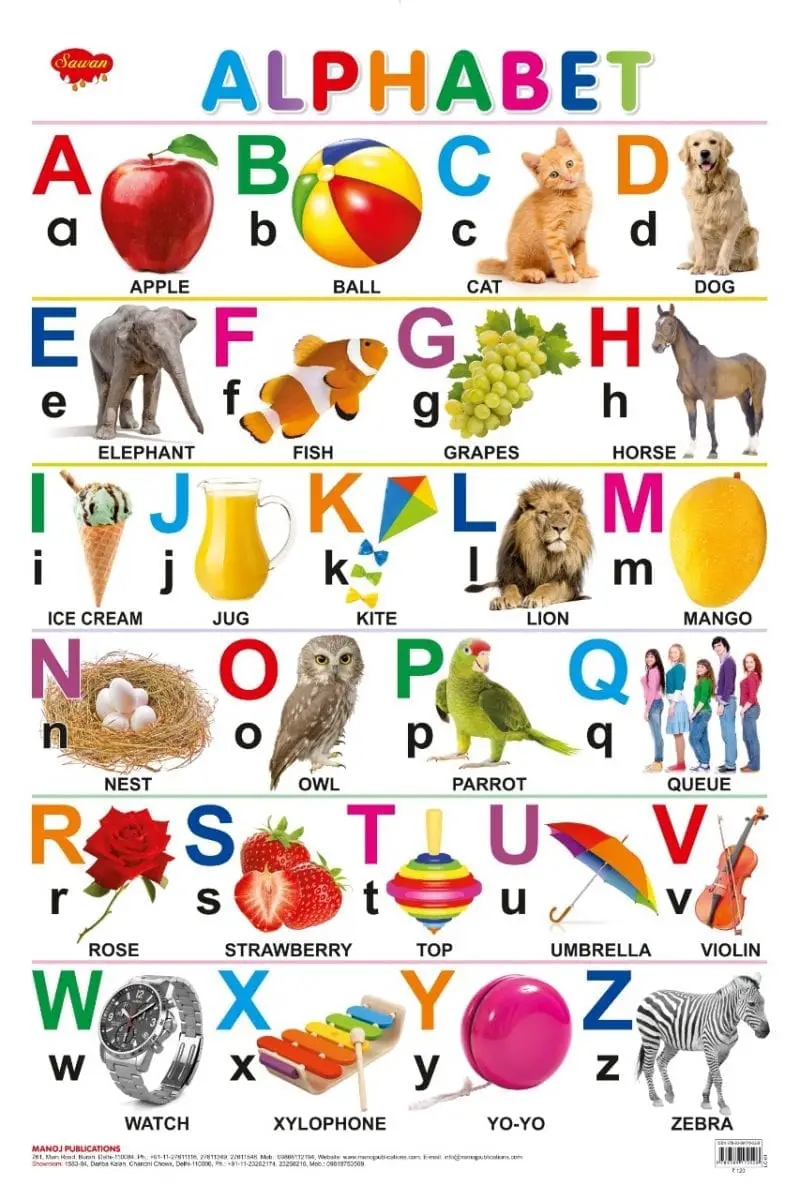
Alphabet Charts
Alphabet charts typically feature each letter of the alphabet in both uppercase and lowercase form, along with a corresponding image or word that begins with that letter. These visual cues help students associate the letter with its sound and meaning, making it easier for them to remember and recognize each letter. Some alphabet charts also include additional features, such as colors, shapes, or patterns, to make the learning experience more engaging and interactive.
Teachers can use alphabet charts in a variety of ways to support student learning. For example, they can use the charts as a reference tool during whole group instruction, small group activities, or independent practice. Alphabet charts can also be used as a visual aid for teaching letter-sound correspondence, word building, and phonics skills. By incorporating alphabet charts into daily lessons, educators can create a print-rich environment that promotes literacy development in young learners.
Parents can also use alphabet charts at home to reinforce letter recognition and phonics skills with their children. By displaying alphabet charts in a prominent location, such as a bedroom or playroom, parents can encourage their children to practice identifying letters and making letter-sound connections on a daily basis. Alphabet charts can be a fun and interactive way for parents to engage their children in learning activities and promote early literacy skills in the home environment.
In conclusion, alphabet charts are a valuable resource for teaching children the letters of the alphabet and supporting early literacy development. Whether used in the classroom or at home, alphabet charts provide a visual reference for students to practice letter recognition, letter sounds, and phonics skills. By incorporating alphabet charts into lessons and daily routines, educators and parents can help children build a strong foundation for reading and writing success.