Color temperature is a crucial aspect of lighting design that can greatly impact the look and feel of a space. It refers to the warmth or coolness of light, measured in Kelvin (K). Understanding color temperature is essential when choosing the right lighting for different environments, as it can affect the mood, atmosphere, and functionality of a room.
Whether you’re designing a cozy living room, a bright office space, or a relaxing bedroom, selecting the appropriate color temperature can make all the difference in creating the desired ambiance.
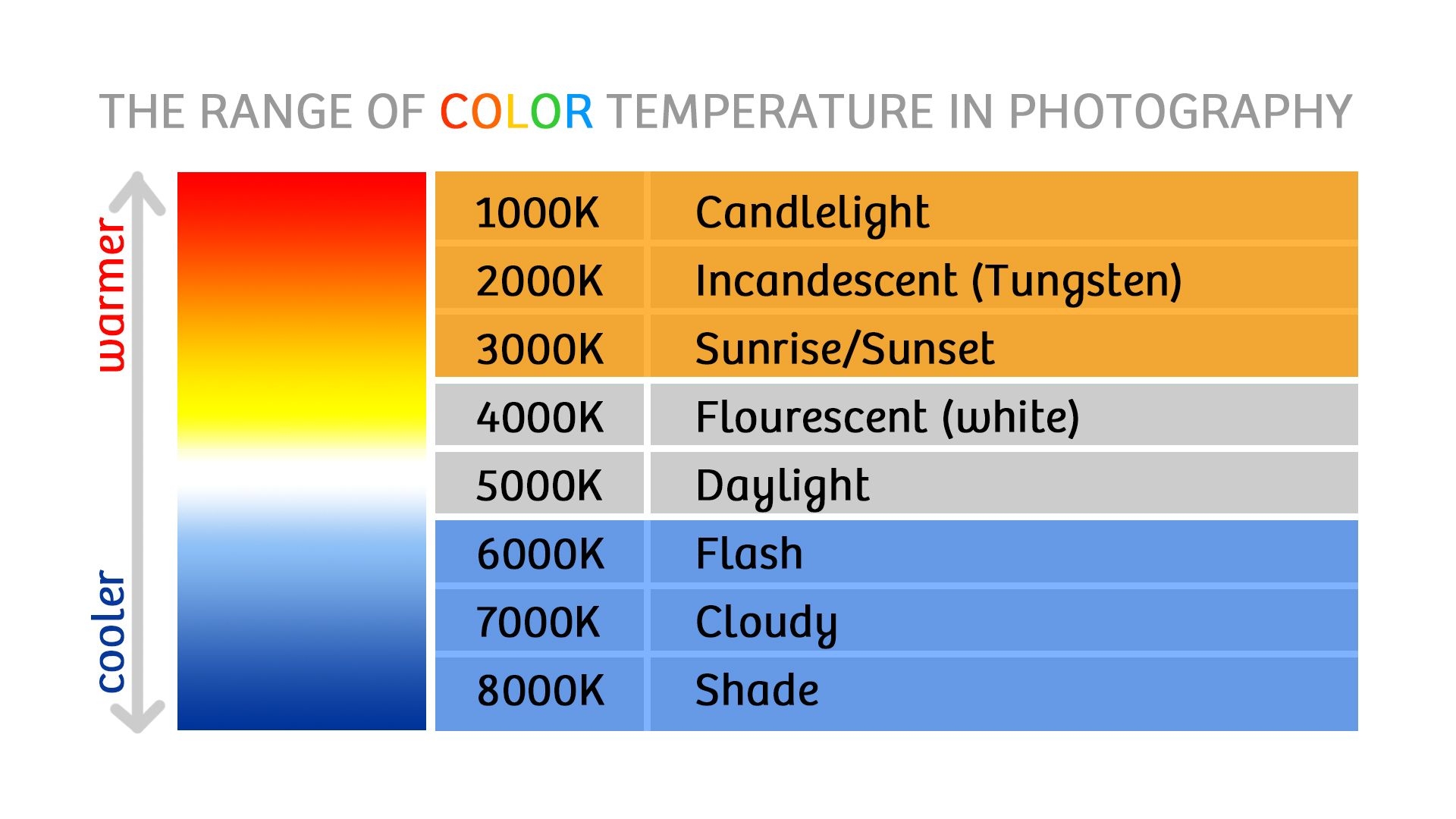
Color Temperature Chart
Color temperature is typically categorized into three main groups: warm, neutral, and cool. Warm light, ranging from 2000K to 3000K, emits a soft, yellowish glow that is ideal for creating a cozy and inviting atmosphere in residential settings such as bedrooms and living rooms. Neutral light, around 3500K to 4500K, produces a more natural white light that is commonly used in kitchens, offices, and retail spaces. Cool light, between 5000K and 6500K, provides a crisp, blueish-white light that is perfect for task-oriented environments like workspaces and hospitals.
When selecting lighting fixtures, it’s important to consider the color temperature to ensure that it complements the intended purpose of the space. For instance, warm light can create a relaxing and intimate ambiance, while cool light can enhance concentration and productivity. Mixing different color temperatures within a room can also help create depth and visual interest.
In addition to the Kelvin scale, color rendering index (CRI) is another important factor to consider when choosing lighting. CRI measures the ability of a light source to accurately render colors, with a higher CRI value indicating better color accuracy. It’s essential to strike a balance between color temperature and CRI to achieve optimal lighting conditions.
Overall, understanding the principles of color temperature and how it influences the look and feel of a space is key to creating a well-designed and functional environment. By utilizing a color temperature chart and considering factors like CRI, you can make informed decisions when selecting lighting that enhances the aesthetics and functionality of any room.
Next time you’re planning a lighting design project, refer to a color temperature chart to help guide your choices and create the perfect ambiance for your space.