Companion planting is the practice of planting different crops in proximity to one another to enhance growth, deter pests, and increase yield. By strategically pairing vegetables together, you can create a harmonious garden that promotes healthy plants and a bountiful harvest.
One of the key benefits of companion planting is the natural pest control it provides. Some plants emit scents or chemicals that repel pests, while others attract beneficial insects that prey on harmful bugs. Additionally, certain plant combinations can improve soil quality and overall plant health.
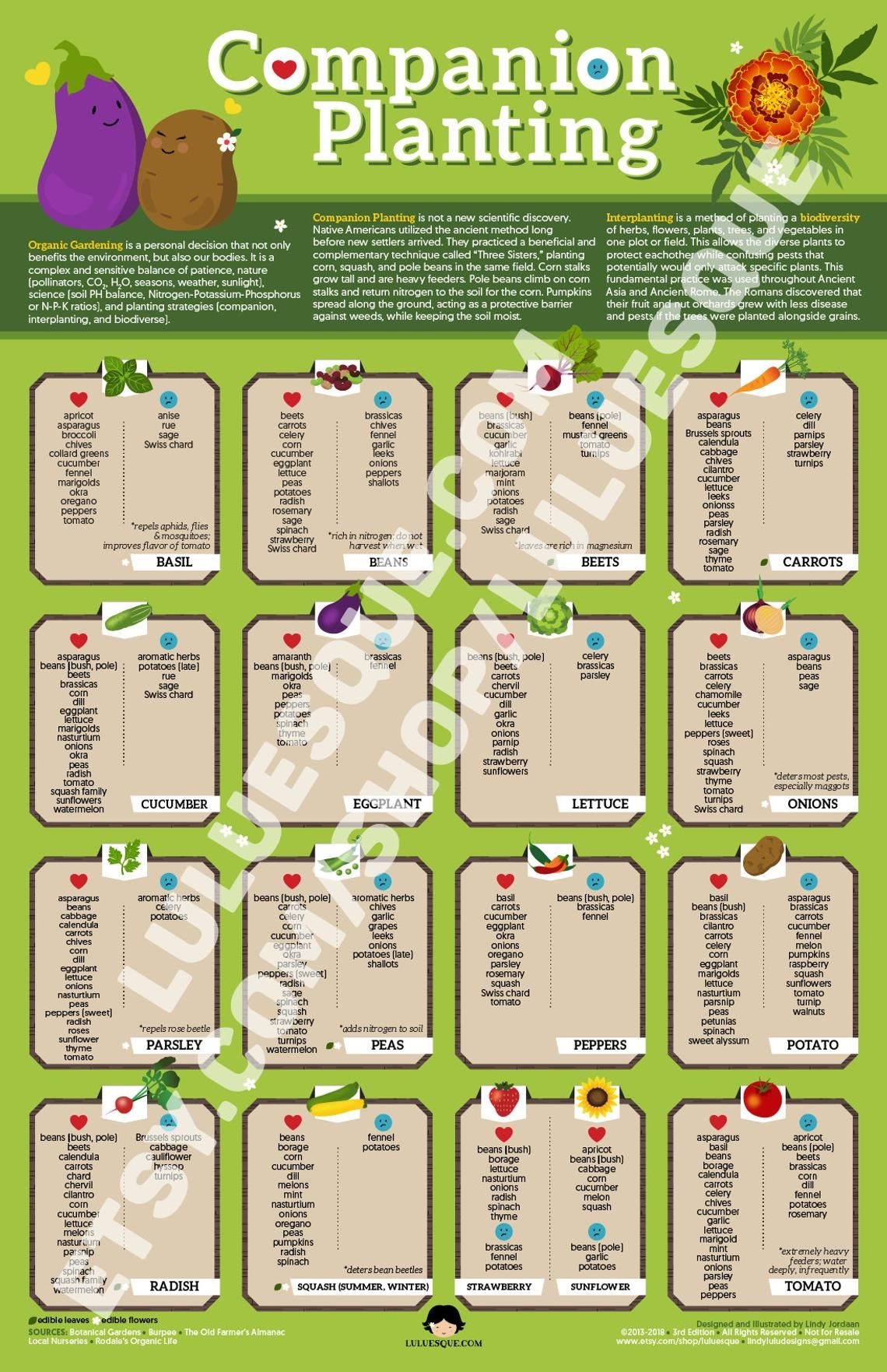
Here is a handy companion planting chart for vegetables to help you plan your garden:
| Vegetable | Companion Plants | Plants to Avoid |
|---|---|---|
| Tomatoes | Carrots, Basil, Marigolds | Cabbage, Fennel, Potatoes |
| Cucumbers | Beans, Peas, Dill | Sage, Potatoes, Melons |
| Carrots | Onions, Chives, Lettuce | Dill, Parsnips, Celery |
It’s important to note that not all companion planting combinations are scientifically proven, but many gardeners have had success with these pairings. Experiment with different combinations in your own garden to see what works best for you.
Remember to also consider the spacing and sunlight requirements of each plant when planning your garden layout. Some plants may compete for nutrients or shade each other if planted too closely together. By carefully selecting companion plants, you can create a thriving ecosystem that benefits all of your vegetables.
In conclusion, companion planting is a simple yet effective way to improve the health and productivity of your vegetable garden. By understanding which plants work well together, you can create a balanced and sustainable garden that thrives throughout the growing season. Refer to this companion planting chart for vegetables as a starting point, and don’t be afraid to get creative with your pairings!