Verbs are an essential part of any language, as they indicate actions, states, or events. In English, verbs can change form to show different tenses, which indicate when an action takes place. Understanding the various verb tenses is crucial for effective communication and writing in English.
English has a variety of verb tenses, each serving a specific purpose in conveying time and duration of an action. By learning the different tenses and how to use them correctly, you can improve your language skills and express yourself more clearly.
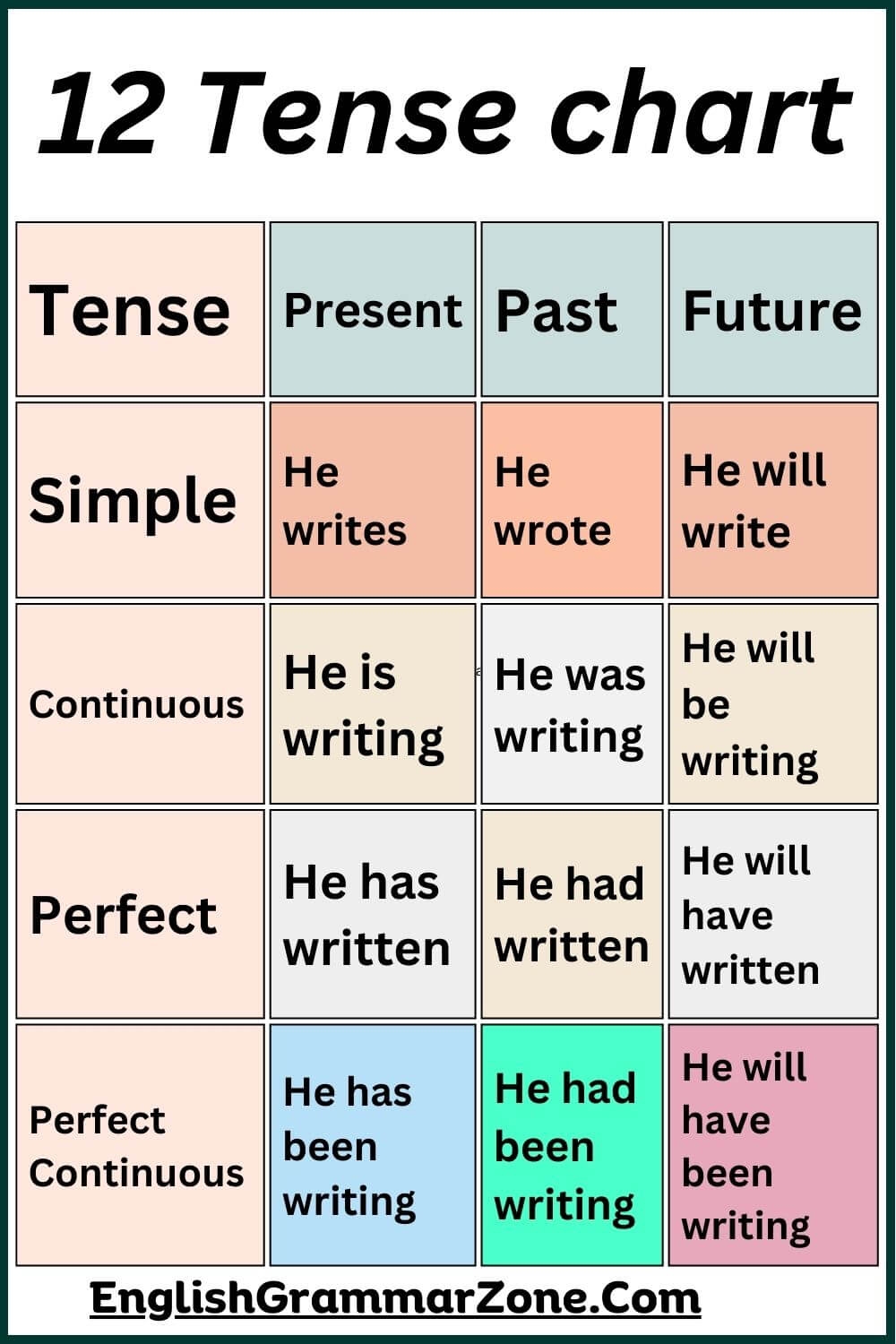
English Verb Tenses Chart
Below is a chart outlining the main English verb tenses:
| Tense | Example |
|---|---|
| Present Simple | I eat |
| Present Continuous | I am eating |
| Present Perfect | I have eaten |
| Simple Past | I ate |
| Future Simple | I will eat |
Each tense has its own rules for formation and usage, so it is important to study and practice using them in context. The present simple is used for general truths or habits, while the present continuous indicates actions happening now. The present perfect shows completed actions with relevance to the present, while the simple past refers to actions that happened in the past. The future simple is used for actions that will happen in the future.
By mastering these verb tenses, you can effectively convey your thoughts and ideas in English. Practice using different tenses in sentences and conversations to become more comfortable with their usage. Remember to pay attention to the time frame of the action and choose the appropriate tense accordingly.
Overall, the English verb tenses chart is a valuable tool for language learners to understand and practice using different tenses in context. With regular practice and study, you can improve your language skills and communicate more effectively in English.