A RACI chart, also known as a responsibility assignment matrix, is a powerful tool used in project management to clarify roles and responsibilities within a team. The acronym RACI stands for Responsible, Accountable, Consulted, and Informed. This chart helps to define who is responsible for tasks, who is accountable for decisions, who needs to be consulted before actions are taken, and who needs to be kept informed.
Clear communication and understanding of roles are essential for the success of any project. A RACI chart helps to avoid confusion, duplication of efforts, and delays by clearly outlining the responsibilities of each team member. It ensures that everyone knows what is expected of them and who to turn to for guidance or approval.
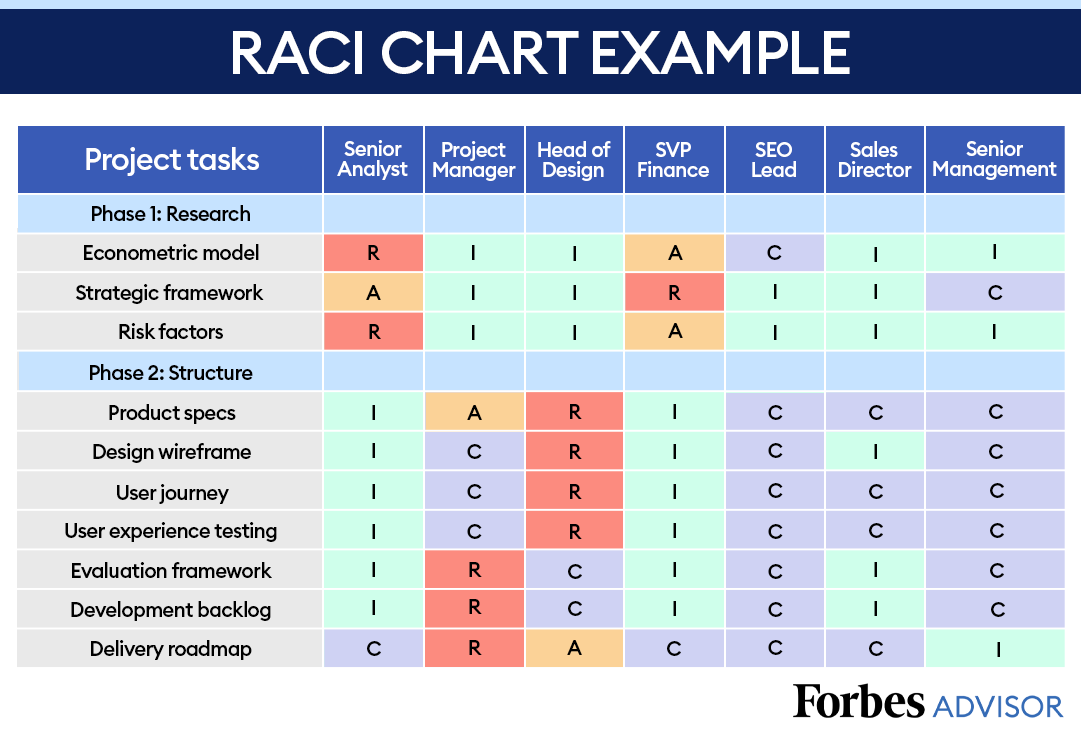
What is a RACI Chart
In a RACI chart, each task or activity is listed along the left-hand side, and the team members are listed across the top. The matrix then assigns a letter for each role for every task: R for Responsible, A for Accountable, C for Consulted, and I for Informed. This creates a visual representation of who is responsible for what, who needs to be consulted, and who needs to be informed throughout the project.
For example, if a project involves creating a marketing campaign, the marketing manager may be responsible for developing the strategy (R), the CEO may be accountable for approving the budget (A), the graphic designer may need to be consulted on the creative elements (C), and the sales team may need to be informed of the campaign launch date (I).
By using a RACI chart, teams can ensure that everyone is on the same page and working together towards a common goal. It promotes accountability, transparency, and collaboration within the team. It also helps to identify any gaps or overlaps in responsibilities, allowing for adjustments to be made as needed.
In conclusion, a RACI chart is a valuable tool for project management that helps to clarify roles and responsibilities within a team. It provides a clear framework for communication, decision-making, and accountability, ultimately leading to more efficient and successful projects. By using a RACI chart, teams can streamline their workflow, improve collaboration, and achieve their project goals more effectively.