Attachment theory is a psychological framework that helps us understand how our early interactions with caregivers shape our relationships throughout life. One way to explore attachment styles is through the use of an attachment style chart, which can help individuals identify their own attachment style and how it influences their behaviors and attitudes in relationships.
By understanding attachment styles, individuals can gain insight into their patterns of relating to others and work towards developing healthier and more fulfilling connections with those around them.
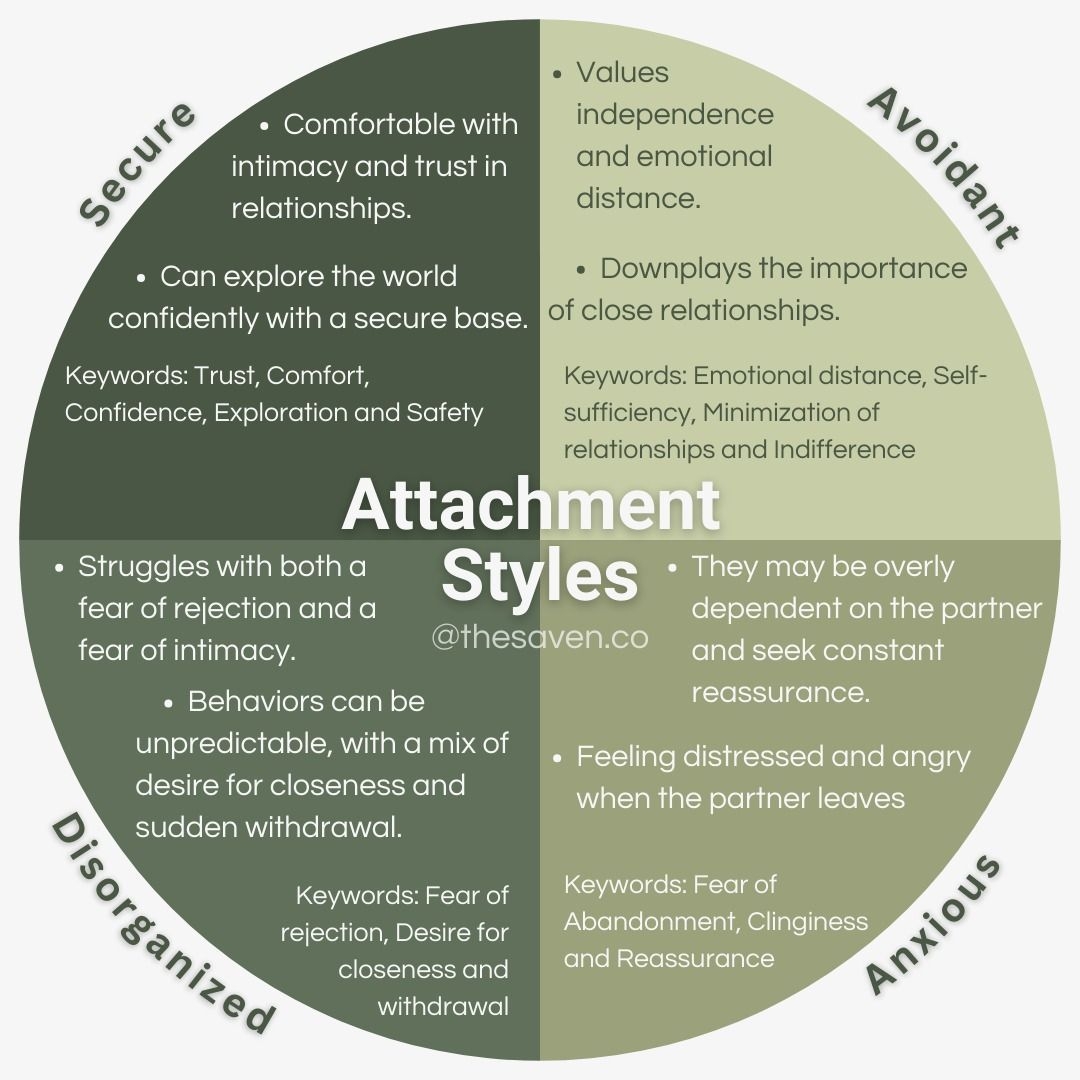
Attachment Style Chart
An attachment style chart typically categorizes individuals into one of four attachment styles: secure, anxious-preoccupied, dismissive-avoidant, and fearful-avoidant. These styles are based on the work of psychologist Mary Ainsworth and John Bowlby, who studied infant-parent relationships.
Secure attachment style is characterized by a positive view of oneself and others, comfortable with intimacy, and able to effectively communicate emotions and needs. Anxious-preoccupied attachment style involves a fear of rejection, seeking excessive reassurance, and feeling insecure in relationships. Dismissive-avoidant attachment style is marked by a fear of intimacy, emotional distance, and a tendency to minimize the importance of relationships. Fearful-avoidant attachment style combines elements of both anxious and avoidant styles, resulting in a constant push-pull dynamic in relationships.
By identifying their attachment style, individuals can begin to recognize how their early experiences have influenced their current relationship patterns. This self-awareness can lead to personal growth and the ability to form more secure and satisfying connections with others.
It’s important to note that attachment styles are not fixed and can be influenced by therapy, self-reflection, and personal growth. By understanding their attachment style and how it impacts their relationships, individuals can take steps towards creating healthier and more fulfilling connections with others.
In conclusion, an attachment style chart can be a valuable tool for individuals seeking to better understand themselves and their relationships. By recognizing their attachment style and working towards developing a more secure attachment style, individuals can cultivate healthier and more fulfilling connections with those around them.