Understanding biblical lineage is essential for tracing the genealogy of important figures in the Bible. It helps us connect the dots between generations and provides insight into the historical context of different events and individuals mentioned in the scriptures.
By studying biblical lineage, we can gain a deeper understanding of the connections between key figures such as Adam and Eve, Abraham, Moses, and Jesus Christ. This knowledge can help us appreciate the significance of these individuals and their roles in shaping the course of history.
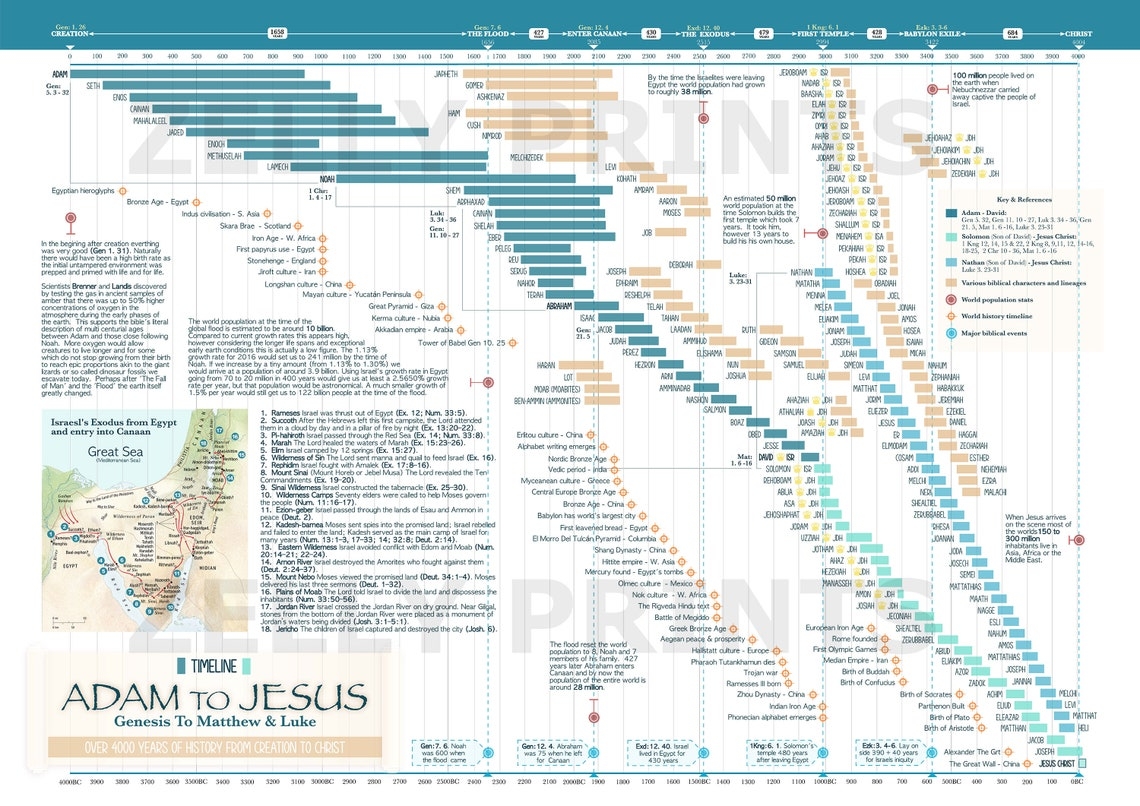
Biblical Lineage Chart
A biblical lineage chart typically depicts the genealogy of key figures in the Bible, showing their relationships and connections to one another. These charts often include important details such as names, dates of birth and death, and significant events in the lives of each individual.
One of the most well-known biblical lineage charts is the genealogy of Jesus Christ, as recorded in the Gospels of Matthew and Luke. This chart traces Jesus’ ancestry back to King David and Abraham, highlighting his royal lineage and fulfillment of Old Testament prophecies.
Another notable biblical lineage chart is the genealogy of Adam, as described in the book of Genesis. This chart shows the descendants of Adam and Eve, including notable figures such as Noah, Abraham, and Jacob, who played crucial roles in the history of Israel.
Studying these lineage charts can help us appreciate the interconnectedness of biblical figures and events, as well as the fulfillment of divine promises throughout history. It allows us to see the bigger picture of God’s plan for humanity and the role that each individual played in bringing it to fruition.
In conclusion, biblical lineage charts provide a valuable tool for understanding the genealogy of important figures in the Bible and tracing their connections to one another. By studying these charts, we can gain insight into the historical context of key events and individuals, as well as appreciate the fulfillment of divine prophecies throughout history.