Low blood pressure, also known as hypotension, is a condition where the blood pressure levels are lower than normal. This can cause symptoms such as dizziness, fainting, and fatigue. It is essential to monitor your blood pressure regularly to ensure it stays within a healthy range.
There are various factors that can contribute to low blood pressure, including dehydration, heart problems, endocrine disorders, and certain medications. It is crucial to understand the symptoms and potential causes to manage low blood pressure effectively.
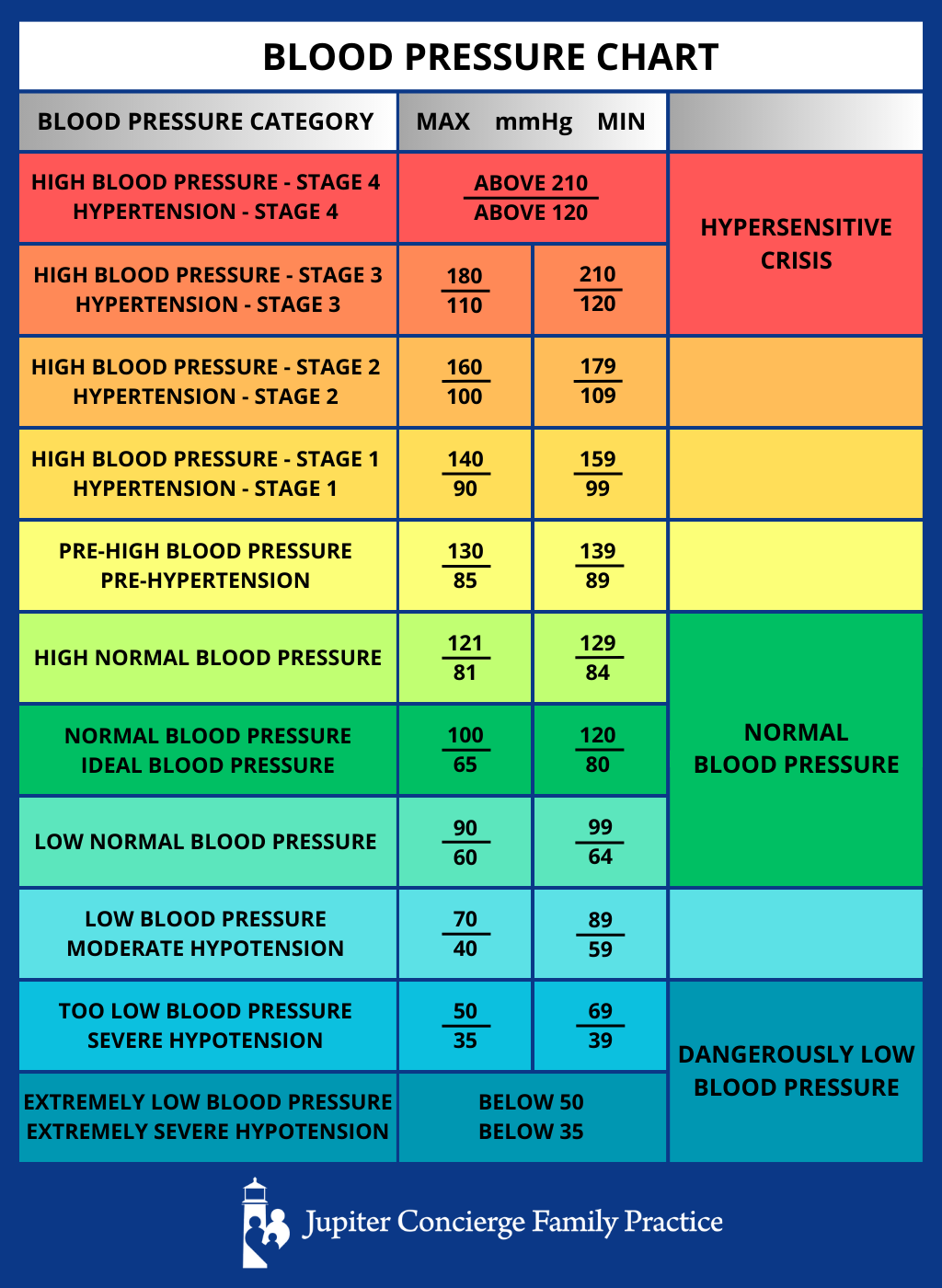
Blood Pressure Chart for Low Blood Pressure
Here is a general blood pressure chart for adults to help you understand where your blood pressure falls:
| Category | Systolic Pressure (mm Hg) | Diastolic Pressure (mm Hg) |
|---|---|---|
| Normal | Less than 120 | Less than 80 |
| Low Blood Pressure | Less than 90 | Less than 60 |
Low blood pressure is typically defined as a systolic pressure of less than 90 mm Hg or a diastolic pressure of less than 60 mm Hg. If your blood pressure falls into this range, it is essential to consult with a healthcare professional to determine the underlying cause and appropriate treatment.
Some common symptoms of low blood pressure include dizziness, lightheadedness, blurred vision, nausea, and fatigue. If you experience these symptoms, especially when changing positions (such as standing up quickly), it is crucial to monitor your blood pressure and seek medical advice if necessary.
Managing low blood pressure often involves lifestyle changes such as staying hydrated, eating a balanced diet, and avoiding triggers that can worsen symptoms. In some cases, medication may be prescribed to help regulate blood pressure levels. It is essential to work closely with your healthcare provider to develop a personalized treatment plan.
In conclusion, understanding the blood pressure chart for low blood pressure is crucial for monitoring your health and well-being. By staying informed about your blood pressure levels and recognizing the symptoms of low blood pressure, you can take proactive steps to manage this condition effectively. Remember to consult with a healthcare professional for personalized advice and treatment options.