Low blood pressure, also known as hypotension, is a condition in which your blood pressure is lower than normal. While high blood pressure is a common concern, low blood pressure can also have negative effects on your health. It can cause dizziness, fainting, fatigue, and other symptoms that can impact your daily life.
It’s important to monitor your blood pressure regularly to ensure it stays within a healthy range. A blood pressure too low chart can help you understand where your blood pressure falls and what steps you can take to improve it.
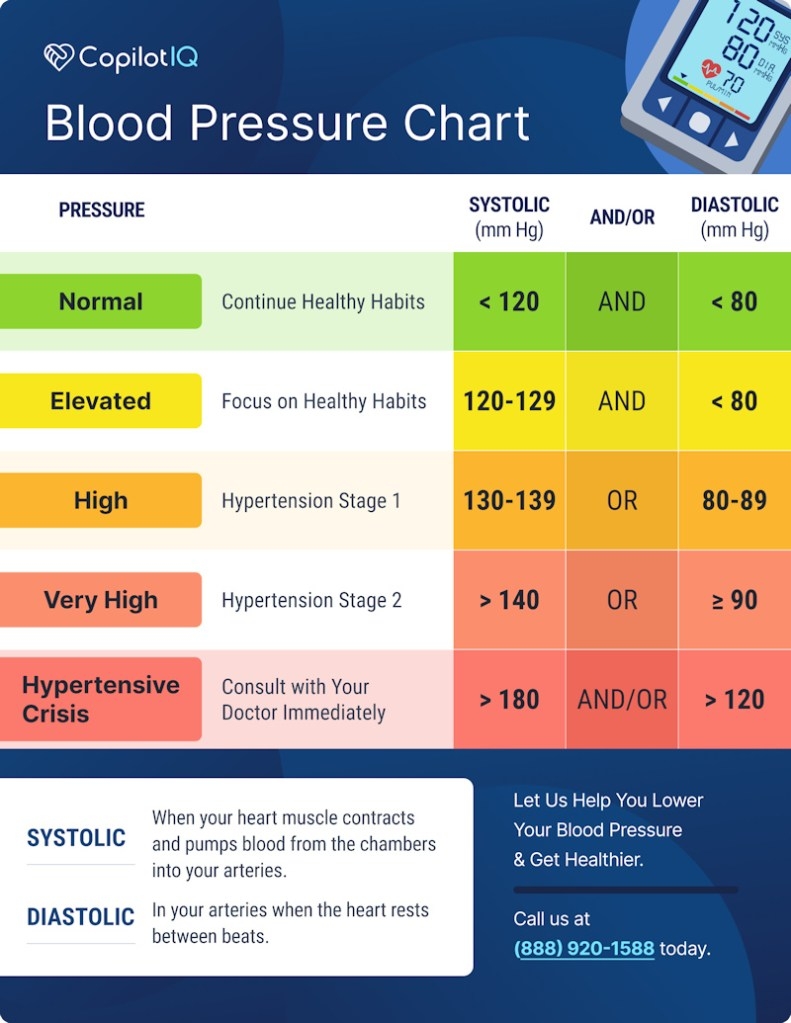
Blood Pressure Too Low Chart
A blood pressure too low chart typically categorizes blood pressure readings into three main groups: hypotension, normal, and hypertension. Hypotension refers to blood pressure that is lower than 90/60 mmHg, while normal blood pressure falls between 90/60 mmHg and 120/80 mmHg. Hypertension is when blood pressure is consistently higher than 140/90 mmHg.
Low blood pressure can have various causes, including dehydration, heart problems, endocrine disorders, and certain medications. If you consistently have low blood pressure readings, it’s important to consult with your healthcare provider to determine the underlying cause and appropriate treatment.
Some lifestyle changes that can help improve low blood pressure include staying hydrated, eating a balanced diet, exercising regularly, and avoiding prolonged periods of standing or sitting. Your doctor may also recommend medications or other interventions to help regulate your blood pressure.
It’s crucial to be aware of the symptoms of low blood pressure and seek medical attention if you experience dizziness, fainting, blurred vision, or other concerning symptoms. By monitoring your blood pressure and following your healthcare provider’s recommendations, you can manage low blood pressure and improve your overall health.
In conclusion, a blood pressure too low chart can provide valuable information about your blood pressure readings and help you take proactive steps to maintain a healthy blood pressure level. By understanding the causes and symptoms of low blood pressure, you can work with your doctor to develop a personalized plan to address this condition and improve your well-being.