Body Mass Index (BMI) is a measurement used to estimate a person’s body fat based on their height and weight. For men, knowing their BMI can help them assess their overall health and determine if they are at a healthy weight range. This chart can be a useful tool in monitoring and managing weight and overall health.
It is important to note that BMI is not a perfect measurement and does not take into account factors such as muscle mass or body composition. However, it can be a good starting point for men to gauge their weight status and make informed decisions about their health.
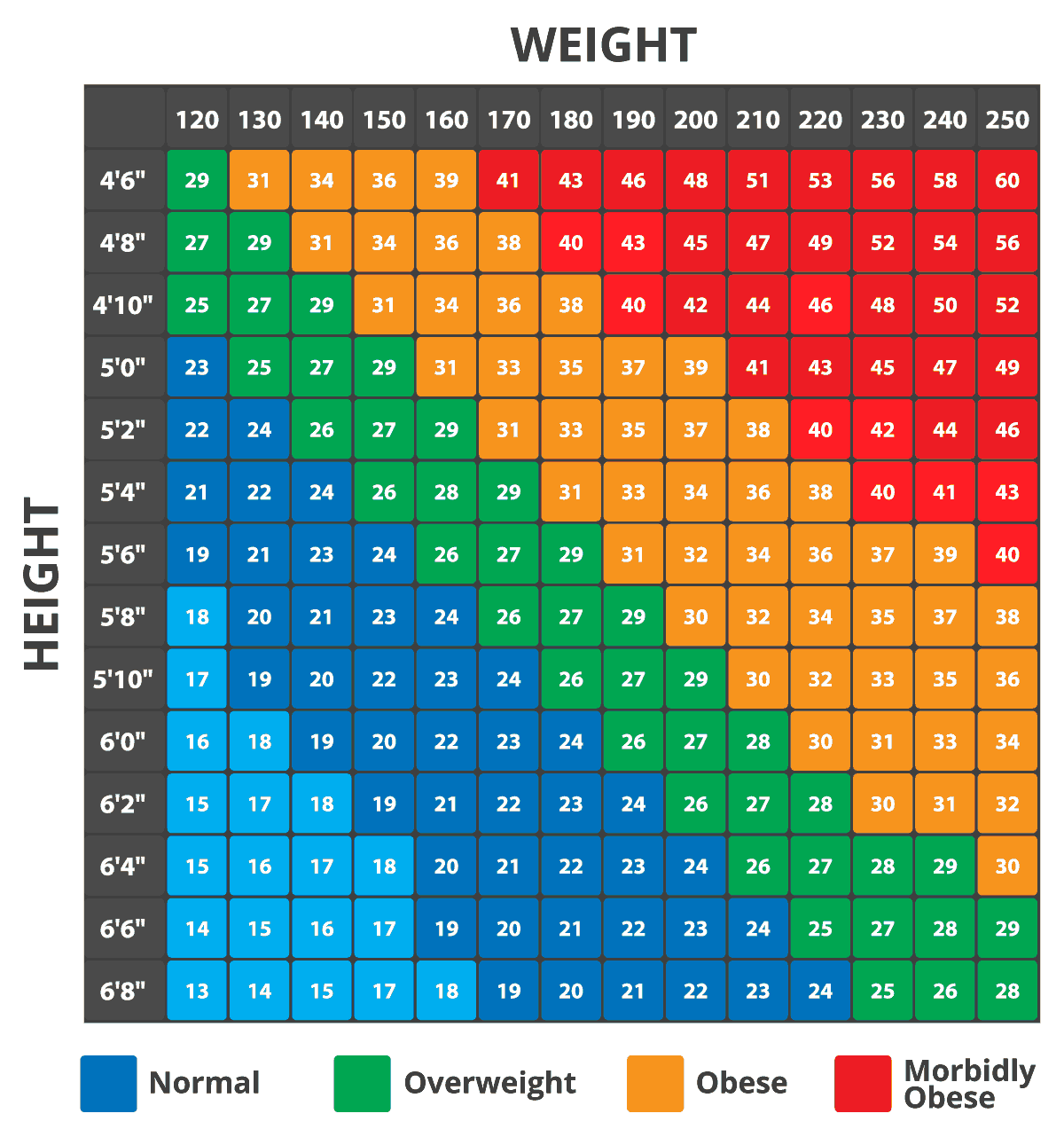
BMI Chart for Men
Here is a general BMI chart for men:
| Category | BMI Range |
|---|---|
| Underweight | Below 18.5 |
| Normal weight | 18.5 – 24.9 |
| Overweight | 25 – 29.9 |
| Obese | 30 and above |
Men who fall into the overweight or obese categories may be at a higher risk for health issues such as heart disease, diabetes, and high blood pressure. It is important for men to work towards achieving a healthy weight through a combination of balanced diet and regular exercise.
Consulting with a healthcare provider or a nutritionist can help men create a personalized plan to reach their weight goals and improve their overall health. Regularly monitoring BMI and making lifestyle changes as needed can lead to long-term health benefits and a higher quality of life.
In conclusion, understanding and tracking BMI can be a valuable tool for men in managing their weight and overall health. By using the BMI chart as a reference, men can make informed decisions about their lifestyle habits and work towards achieving a healthy weight range.