Body Mass Index (BMI) is a measure of body fat based on a person’s weight and height. It is commonly used by healthcare professionals to assess whether a person is underweight, normal weight, overweight, or obese. BMI for age charts are particularly useful for children and adolescents as they take into account age and gender differences in body fat percentage.
It is important to note that BMI is not a perfect measure of health as it does not take into account factors such as muscle mass, bone density, and overall body composition. However, it can be a helpful tool in identifying potential weight issues and guiding individuals towards making healthier lifestyle choices.
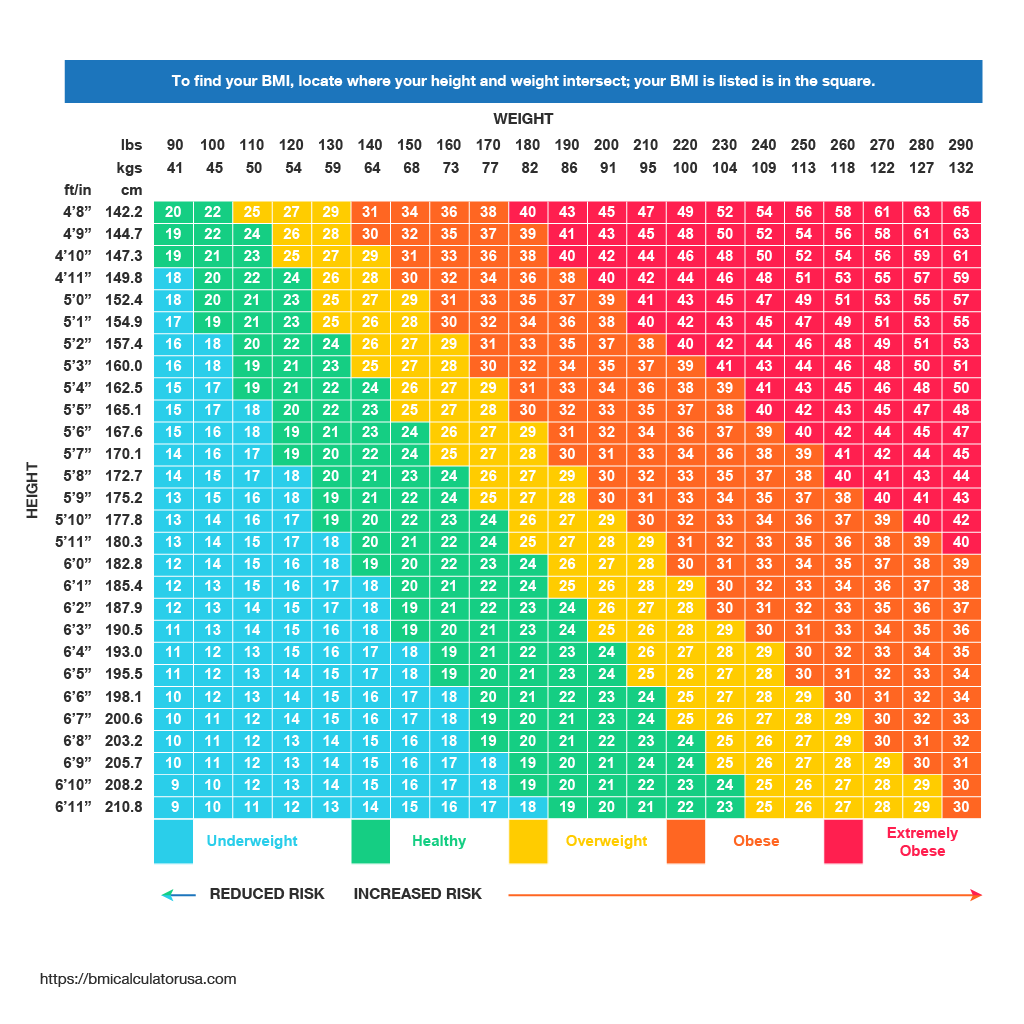
BMI for Age Chart
The BMI for age chart is a visual representation of BMI values based on age and gender. It helps healthcare providers track a child’s growth patterns over time and identify any potential weight-related concerns. The chart typically includes percentile curves that show where a child’s BMI falls in relation to other children of the same age and gender.
Children and adolescents are categorized into different BMI percentiles: underweight (less than 5th percentile), normal weight (5th to 85th percentile), overweight (85th to 95th percentile), and obese (greater than 95th percentile). Healthcare providers use these categories to assess a child’s weight status and determine if any intervention or follow-up is needed.
It is important for parents and caregivers to work closely with healthcare providers to monitor a child’s BMI and make informed decisions about their health and well-being. Encouraging healthy eating habits, regular physical activity, and positive body image can all contribute to maintaining a healthy weight and overall well-being.
Remember that BMI is just one tool in assessing health and should not be used in isolation to determine a child’s well-being. It is essential to consider other factors such as family history, lifestyle habits, and overall physical and emotional well-being when evaluating a child’s health status.
In conclusion, BMI for age charts are valuable tools in monitoring children’s growth and weight status. By working together with healthcare providers and focusing on overall health and well-being, parents and caregivers can help children establish healthy habits that will benefit them for a lifetime.