Body Mass Index (BMI) is a numerical value of a person’s weight in relation to their height. It is a useful tool to assess whether an individual is underweight, normal weight, overweight, or obese. Monitoring your BMI can help you maintain a healthy weight and reduce the risk of various health conditions.
Understanding your BMI can also serve as a wake-up call to make necessary lifestyle changes to improve your overall health. By keeping track of your BMI, you can set realistic weight loss or weight gain goals and monitor your progress over time.
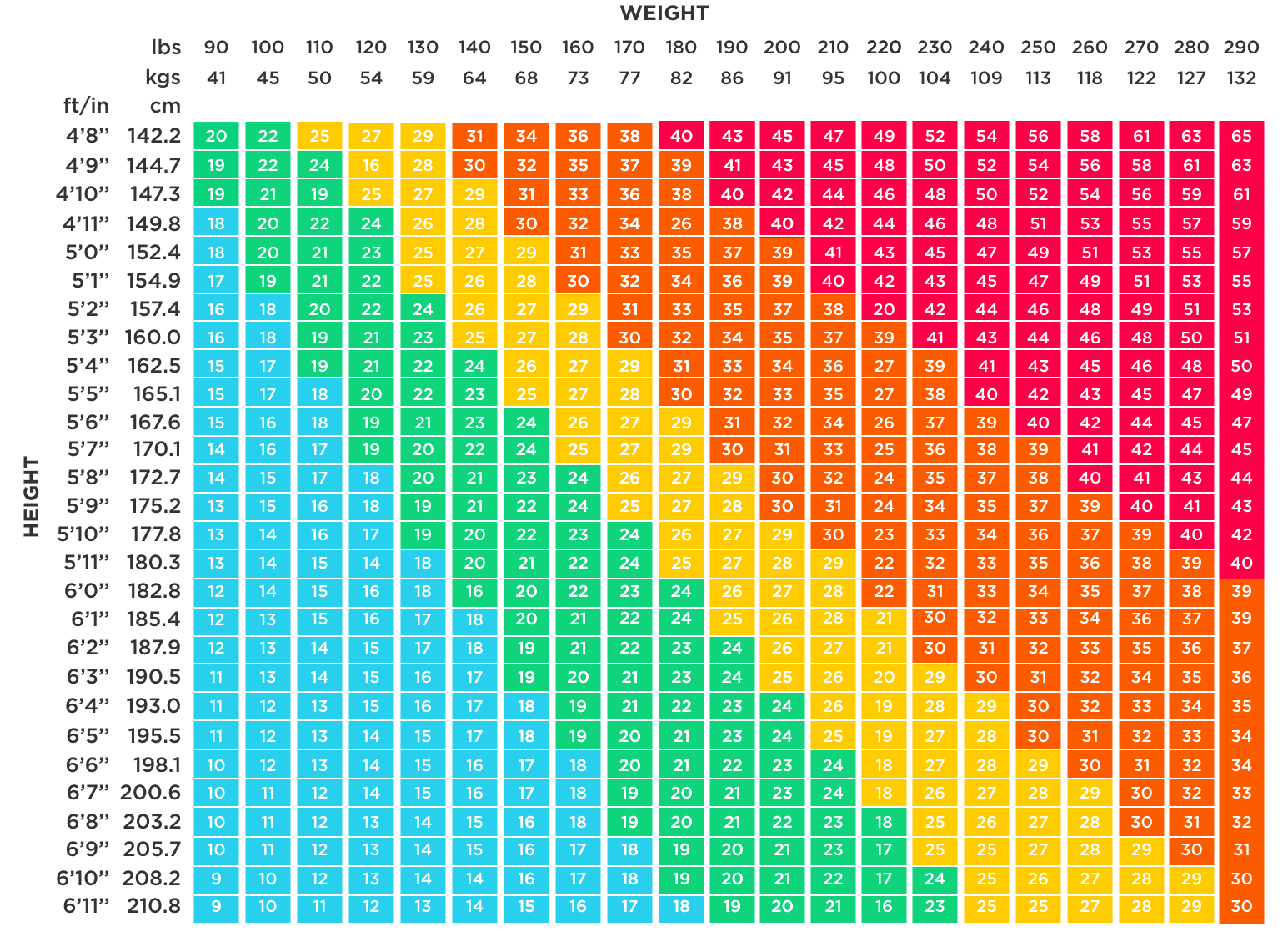
BMI Index Chart
Below is a BMI index chart that shows the different categories based on BMI values:
| BMI | Category |
|---|---|
| Below 18.5 | Underweight |
| 18.5 – 24.9 | Normal Weight |
| 25 – 29.9 | Overweight |
| Above 30 | Obese |
It is important to note that BMI is just one of many factors to consider when assessing your overall health. Other factors such as muscle mass, body composition, and waist circumference should also be taken into account.
If you find that your BMI falls into the overweight or obese category, it is crucial to consult with a healthcare professional to develop a personalized plan to achieve a healthy weight. This may include changes to your diet, exercise routine, and lifestyle habits.
On the other hand, if your BMI indicates that you are underweight, it is equally important to seek guidance from a healthcare provider to address any underlying issues that may be contributing to your low weight.
By using the BMI index chart as a starting point, you can take proactive steps towards improving your health and well-being. Remember that small changes can lead to significant improvements in your overall quality of life.
Take charge of your health today by monitoring your BMI and making informed decisions to achieve a healthy weight.