Understanding your body mass index (BMI) is crucial for maintaining a healthy weight and overall well-being. BMI is a measurement that takes into account your height and weight to determine if you are underweight, normal weight, overweight, or obese. For females, having a clear understanding of where you fall on the BMI scale can help guide you towards making healthier lifestyle choices.
By using a BMI weight chart specifically designed for females, you can easily determine where you stand in terms of your weight and make adjustments as needed to improve your health. Whether you are looking to lose weight, gain muscle, or simply maintain your current weight, knowing your BMI can provide valuable insights into your overall health.
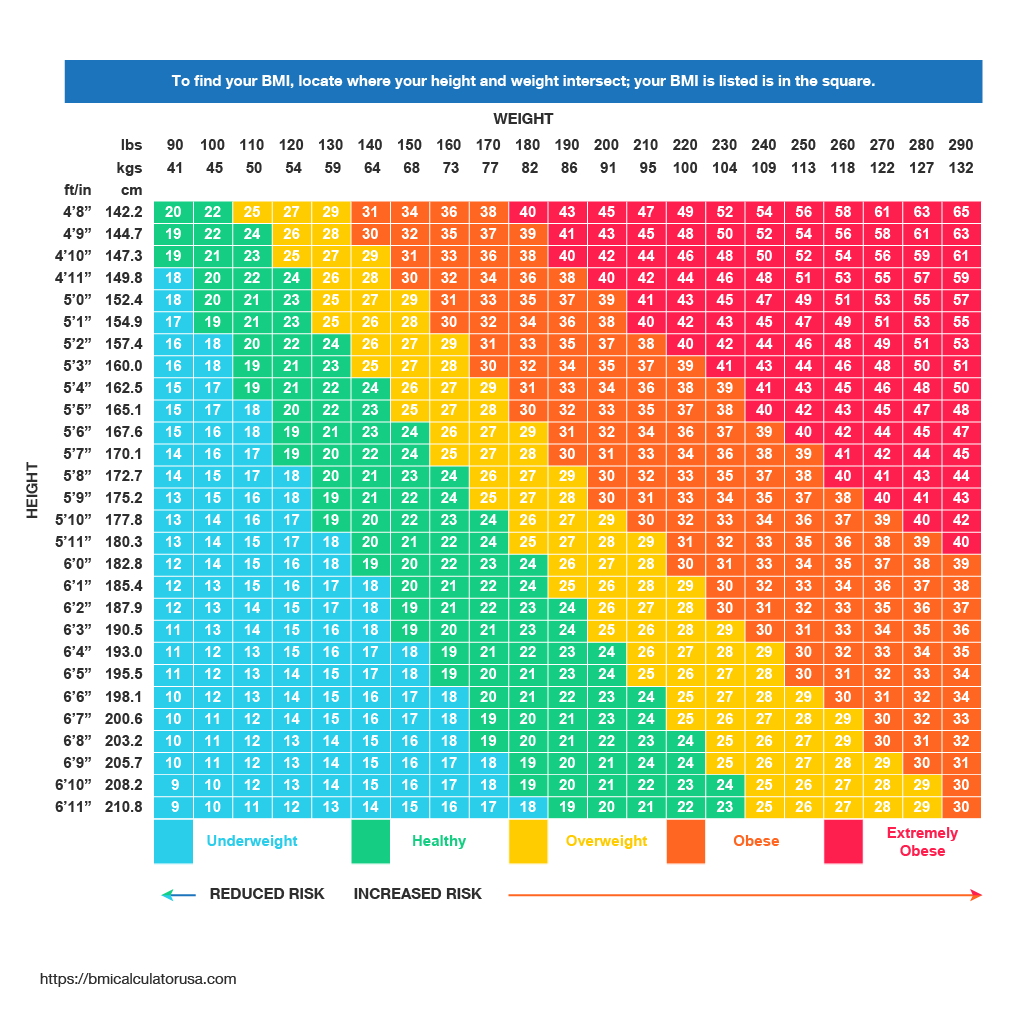
BMI Weight Chart for Females
Below is a general BMI weight chart for females:
| Category | BMI Range |
|---|---|
| Underweight | Below 18.5 |
| Normal Weight | 18.5 – 24.9 |
| Overweight | 25 – 29.9 |
| Obese | 30 and above |
It is important to note that BMI is a general guideline and may not always accurately reflect an individual’s overall health. Factors such as muscle mass, bone density, and overall body composition should also be taken into consideration when assessing one’s weight.
If you find that you fall into the overweight or obese category on the BMI weight chart, it may be beneficial to consult with a healthcare professional or nutritionist to create a personalized plan for achieving a healthier weight. Making small changes to your diet and exercise routine can have a significant impact on your overall health and well-being.
By regularly monitoring your BMI and making adjustments as needed, you can take control of your health and work towards achieving your weight goals. Remember that being healthy is not just about the number on the scale, but about feeling your best and taking care of your body.
Take the time to understand your BMI weight chart as a female and make the necessary changes to lead a healthier and happier life.