Cold, flu, and Covid-19 are all respiratory illnesses caused by different viruses. It’s important to be able to distinguish between them as they have similar symptoms but different levels of severity. Knowing the differences can help you seek the right treatment and take appropriate precautions to prevent the spread of these illnesses.
Let’s take a look at a comparison chart of cold vs flu vs Covid to better understand the key differences between them.
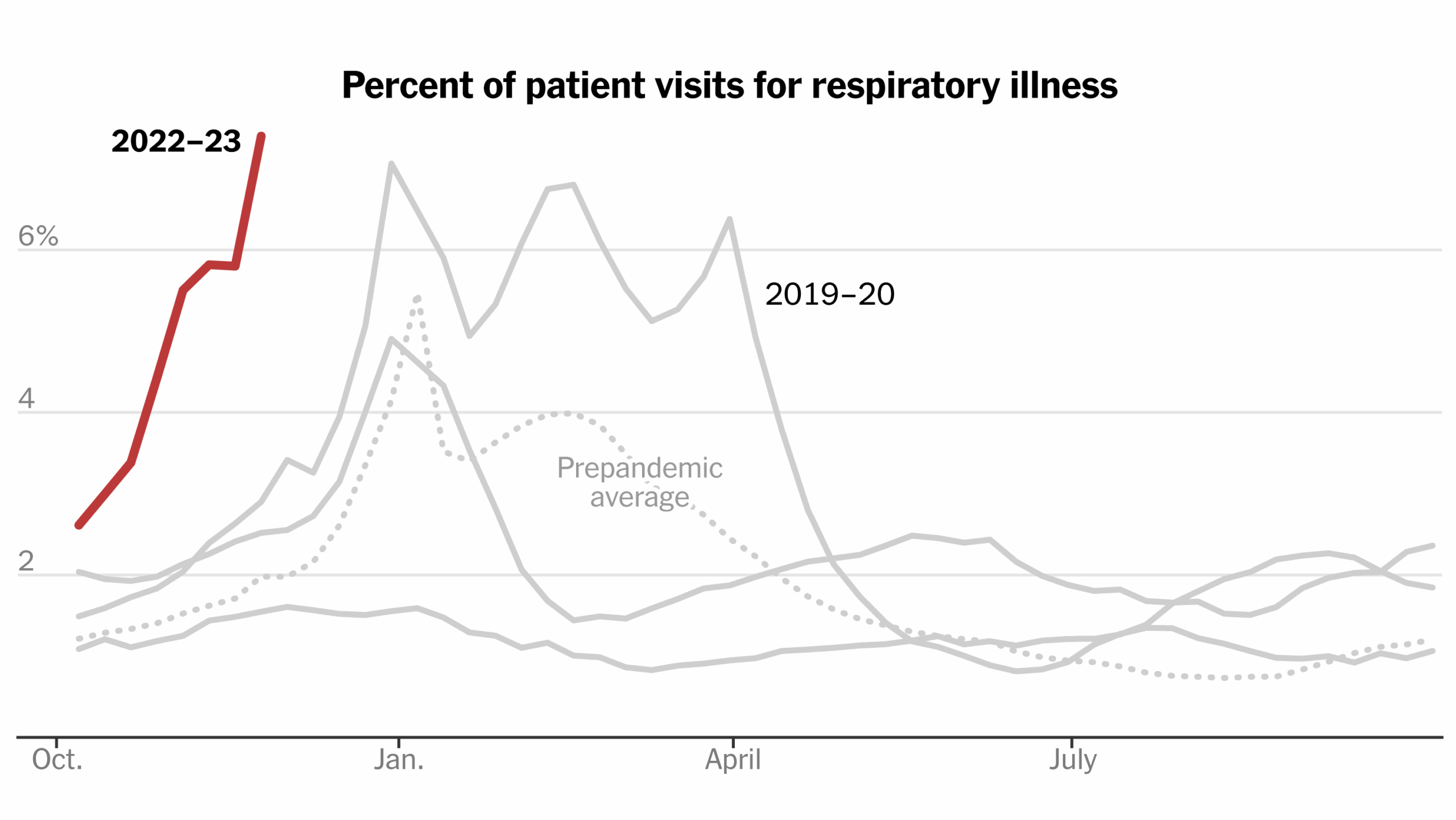
Cold vs Flu vs Covid Chart
| Cold | Flu | Covid-19 | |
|---|---|---|---|
| Symptoms | Mild symptoms such as runny nose, sneezing, and sore throat | Fever, cough, body aches, fatigue | Fever, cough, shortness of breath, loss of taste or smell |
| Onset | Gradual | Sudden | Gradual |
| Severity | Mild | Can be severe | Can be severe |
| Complications | Rare | Pneumonia, hospitalization | Pneumonia, acute respiratory distress syndrome |
As seen in the chart, cold tends to have milder symptoms compared to flu and Covid-19. Flu and Covid-19 can both lead to severe complications, with Covid-19 causing more respiratory issues than the flu. It’s important to note that Covid-19 can also be transmitted asymptomatically, making it more challenging to control its spread.
While colds are usually harmless and resolve on their own, flu and Covid-19 can lead to serious health complications, especially in high-risk individuals. It’s crucial to follow proper hygiene practices, wear masks, and get vaccinated to protect yourself and others from these illnesses.
In conclusion, understanding the differences between cold, flu, and Covid-19 is essential for effective management and prevention. By being aware of the symptoms and severity of each illness, you can take the necessary steps to stay healthy and safe during cold and flu season.