Companion planting is a gardening technique that involves planting different types of plants together to benefit each other. By choosing the right combinations of plants, you can help improve soil quality, deter pests, and promote healthy growth. One way to help you determine which plants work well together is by using a companion plant chart.
Companion plant charts are useful tools that provide information on which plants complement each other and which ones should be kept apart. By following a companion plant chart, you can create a harmonious garden that thrives with minimal effort.
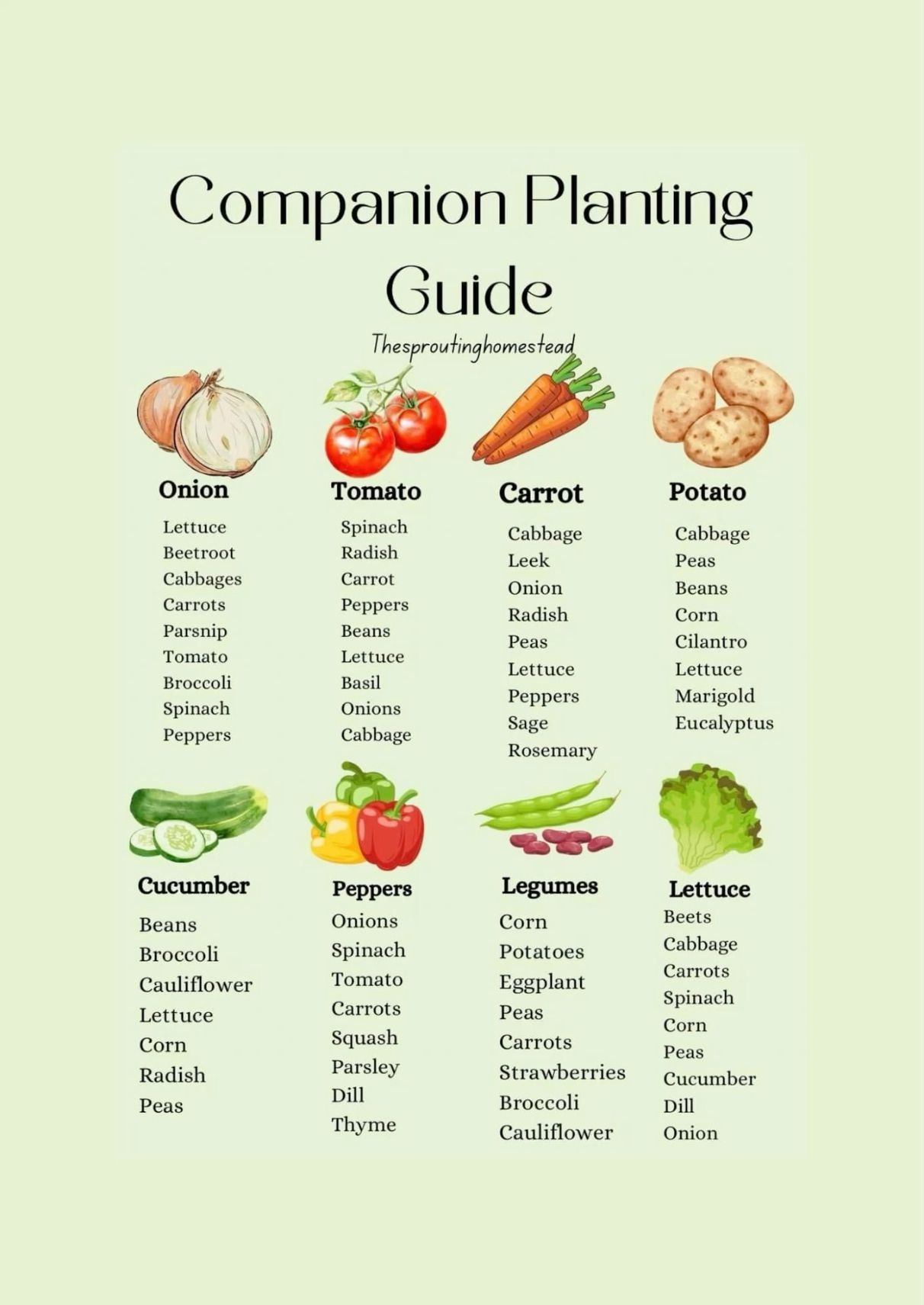
Companion Plant Chart
When planning your garden, it’s important to consider which plants will work best together. Some plants have natural abilities to repel pests or attract beneficial insects, while others may compete for nutrients or space. Here are some common examples of companion plants:
- Tomatoes and basil: Basil helps to repel pests that are harmful to tomatoes, while also enhancing their flavor.
- Carrots and onions: Onions deter carrot flies, while carrots help to break up the soil for easier onion growth.
- Marigolds and tomatoes: Marigolds repel nematodes that can harm tomato plants, making them great companions in the garden.
By using a companion plant chart, you can easily identify which plants will work well together in your garden and which ones should be kept apart. This can help you maximize the health and productivity of your plants while reducing the need for chemical pesticides or fertilizers.
When choosing plants for your garden, consider factors such as sunlight requirements, soil quality, and water needs. By selecting companion plants that have similar growing conditions, you can create a more sustainable and thriving garden ecosystem.
In conclusion, companion planting is a beneficial technique that can help you create a healthy and productive garden. Using a companion plant chart can make it easier to choose the right plants for your garden and ensure that they thrive together. By following the principles of companion planting, you can enjoy a bountiful harvest and a beautiful garden all season long.