Companion planting is the practice of planting different crops in close proximity to one another to achieve benefits such as pest control, improved growth, and enhanced flavor. By strategically placing certain plants next to each other, gardeners can create a more harmonious and productive garden ecosystem.
One of the most popular companion planting techniques is the Three Sisters method, which involves planting corn, beans, and squash together. The corn provides a support structure for the beans to climb, while the beans fix nitrogen in the soil for the corn and squash. The squash acts as a living mulch, suppressing weeds and retaining moisture.
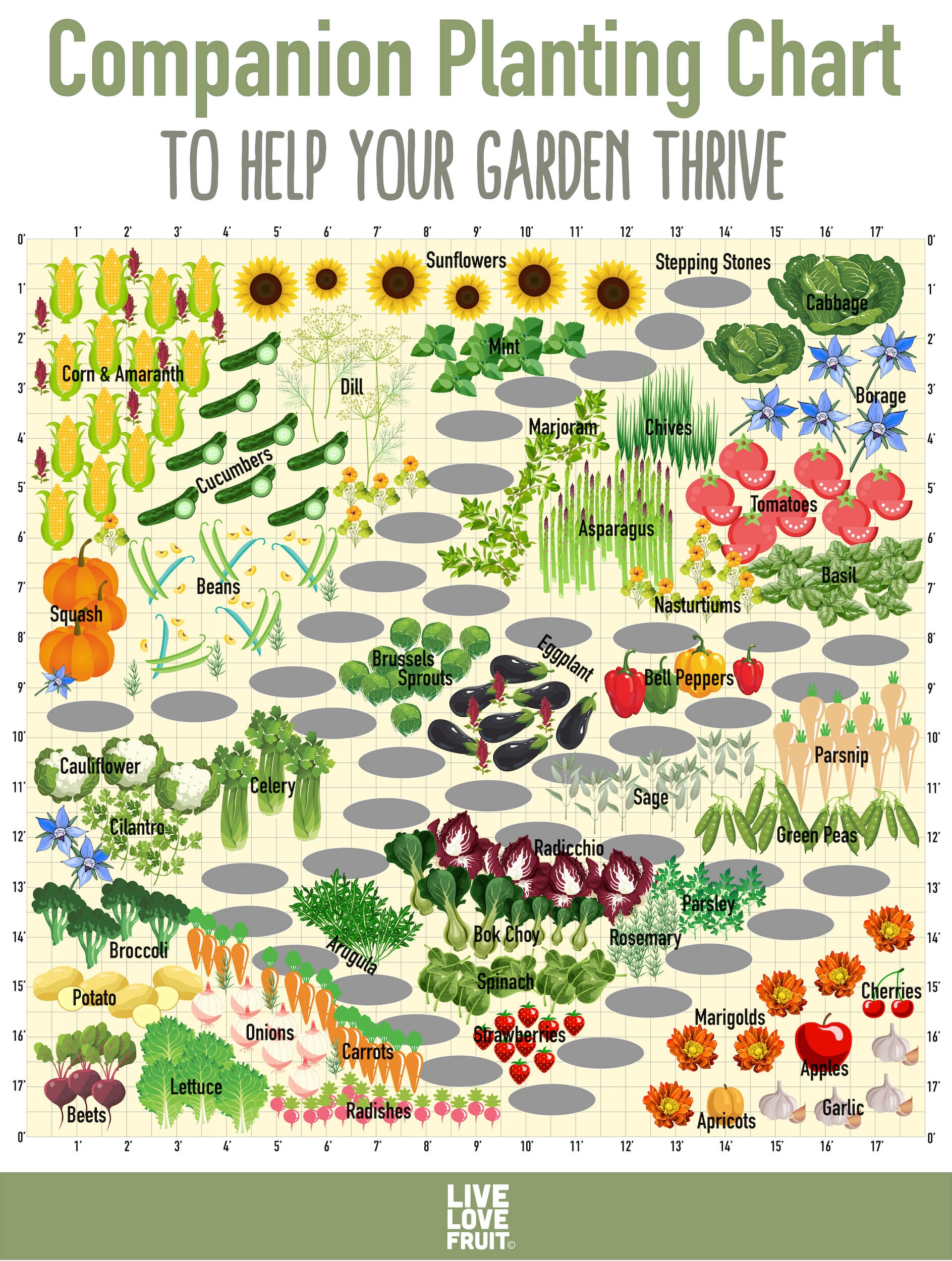
Companion Planting Chart
There are many different combinations of plants that work well together in the garden. Some common examples include:
Tomatoes and Basil: Planting basil near tomatoes can improve the flavor of the tomatoes and repel pests such as aphids and hornworms.
Carrots and Onions: Carrots and onions are great companions, as onions can help deter carrot flies and other pests that attack carrots.
Cucumbers and Dill: Planting dill near cucumbers can attract beneficial insects that prey on cucumber pests like aphids and spider mites.
Lettuce and Radishes: Radishes can help break up compacted soil for lettuce roots, and planting them together can also confuse pests like root maggots.
By using a companion planting chart, gardeners can easily plan out their garden layout to take advantage of these beneficial plant pairings. This can lead to a more bountiful harvest and healthier plants overall.
In conclusion, companion planting is a valuable technique for any gardener looking to improve the health and productivity of their garden. By following a companion planting chart and experimenting with different plant combinations, gardeners can create a more resilient and sustainable garden ecosystem.