When you visit an eye doctor, one of the first things they will likely use is an eye chart to assess your vision. These charts come in various forms and are designed to test different aspects of your eyesight. Understanding what these charts are and how they work can give you insight into your eye health.
An eye doctor chart, also known as a visual acuity chart, is a tool used by eye care professionals to measure how well you can see at various distances. These charts typically consist of rows of letters, numbers, or symbols that decrease in size as you move down the chart. The smallest line you can read accurately determines your visual acuity.
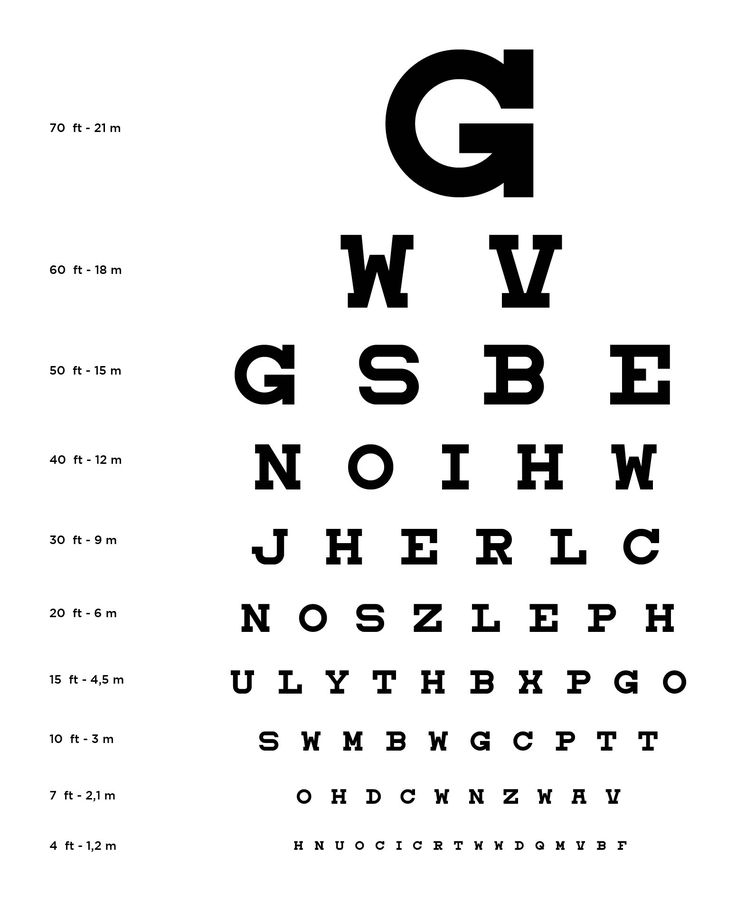
Eye Doctor Chart
One of the most common eye doctor charts is the Snellen chart, developed by Dutch ophthalmologist Herman Snellen in the 1860s. The Snellen chart features rows of letters that decrease in size from top to bottom. Your visual acuity is expressed as a fraction, with the top number representing the distance at which the chart is viewed and the bottom number indicating the distance at which a person with normal vision can read the same line.
In addition to the Snellen chart, there are other types of eye charts used by eye doctors, such as the Tumbling E chart, the Landolt C chart, and the LEA Symbols chart. Each chart is designed to test specific aspects of vision, such as contrast sensitivity, color vision, and visual acuity at different distances.
During an eye exam, your eye doctor will ask you to read the letters or symbols on the chart while covering one eye at a time. They may also use additional tools, such as a phoropter, to determine your prescription for glasses or contact lenses based on your responses to the chart.
Regular eye exams are essential for maintaining good eye health and detecting any potential vision problems early. By understanding how eye doctor charts work and what they measure, you can be better prepared for your next visit to the eye doctor and take an active role in preserving your vision.
Next time you visit your eye doctor, pay attention to the chart they use and ask them to explain how it works. Understanding the role of eye doctor charts in assessing your vision can help you make informed decisions about your eye care and overall health.