Eating foods high in fiber is important for maintaining good digestive health and overall well-being. Fiber helps to keep our digestive system functioning properly, prevents constipation, and can even aid in weight loss by keeping us feeling full longer. It also helps to lower cholesterol levels and reduce the risk of heart disease and diabetes.
It is recommended that adults consume between 25-30 grams of fiber per day, but many people fall short of this goal. Including a variety of high fiber foods in your diet can help you reach this daily target and reap the benefits of a fiber-rich diet.
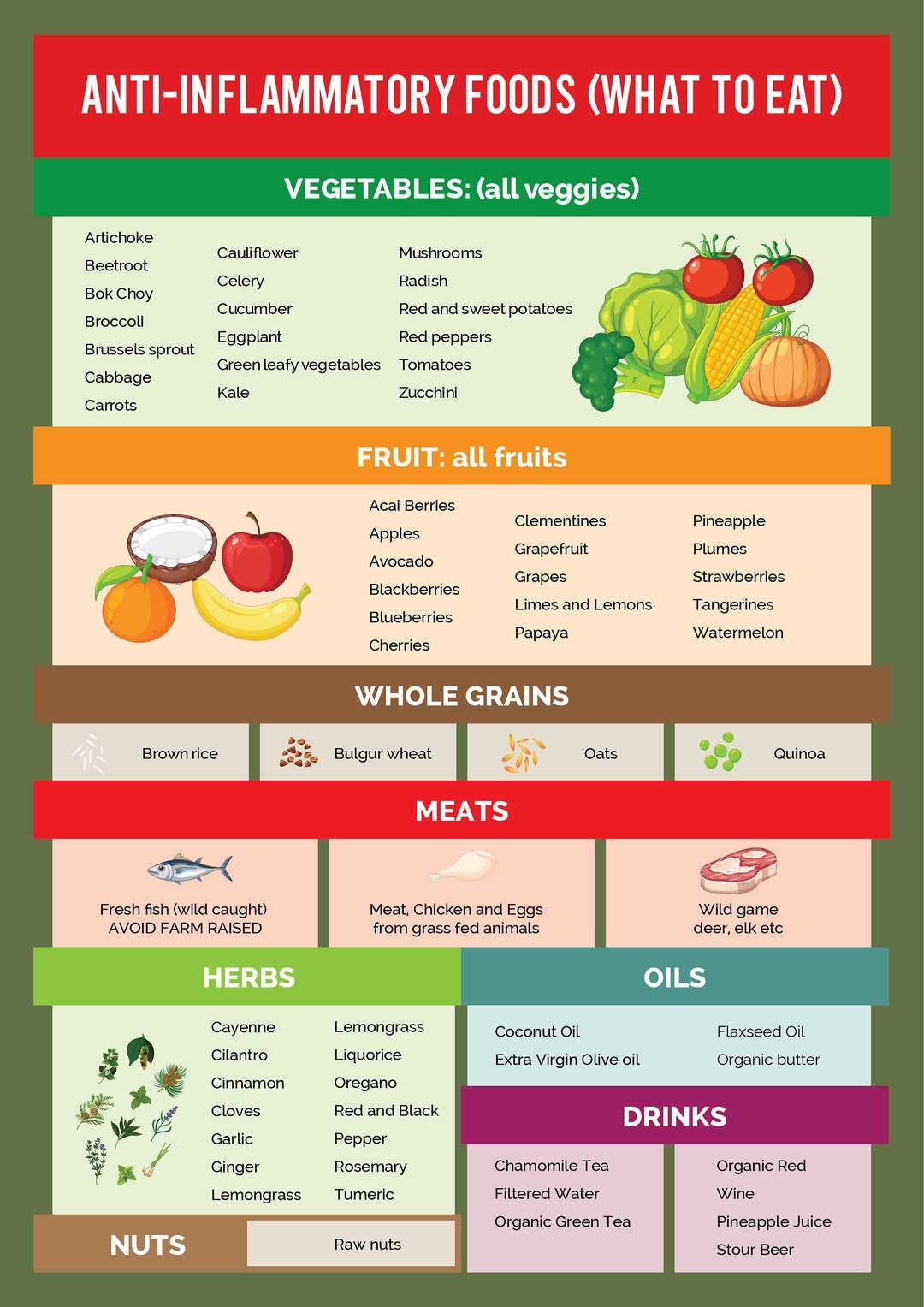
Food High in Fiber Chart
Here is a chart of some common foods that are high in fiber:
| Food | Fiber Content (per 100g) |
|---|---|
| Beans (black, kidney, chickpeas) | 8-10g |
| Whole grains (quinoa, brown rice, oats) | 6-8g |
| Fruits (apples, pears, berries) | 3-5g |
| Vegetables (broccoli, Brussels sprouts, carrots) | 2-4g |
Incorporating these foods into your daily meals can help you increase your fiber intake and improve your overall health. Be sure to drink plenty of water along with high fiber foods to help aid in digestion and prevent bloating.
It’s important to gradually increase your fiber intake to allow your body to adjust. Suddenly adding a large amount of fiber to your diet can cause stomach discomfort and bloating. Start by adding one high fiber food to each meal and gradually increase the amount as your body adjusts.
Remember, a diet high in fiber not only benefits your digestive system but can also promote weight loss, lower cholesterol levels, and reduce the risk of chronic diseases. So next time you’re planning your meals, refer to this chart and make sure to include plenty of high fiber foods for a healthier you!