Football sizes can vary depending on the age group and level of play. It’s important to choose the right size football to ensure proper technique and skill development. Understanding the different sizes available can help you make the best choice for your needs.
Whether you’re a beginner just starting out or a seasoned player looking to improve your game, having the right size football can make all the difference in your performance on the field. From youth leagues to professional games, each level of play has specific requirements for football sizes.
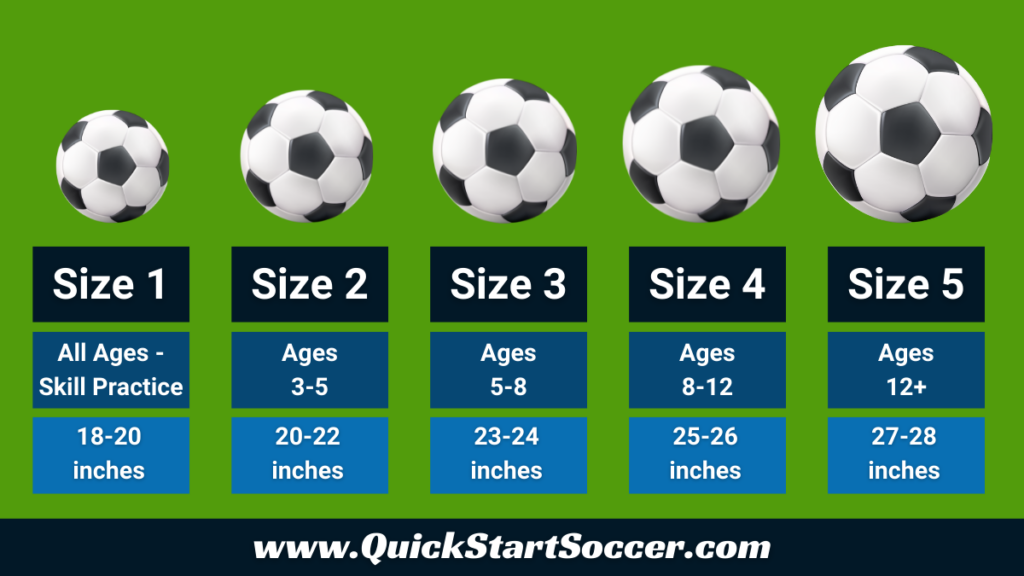
Size Options
There are typically four main sizes of footballs to choose from:
Size 3: This is the smallest football size and is usually recommended for children under the age of 8. It is lighter and easier to handle for younger players.
Size 4: This size is ideal for youth players aged 8 to 12. It is slightly larger than a size 3 ball and is designed to help players develop their skills and techniques.
Size 5: The standard size football used in professional games and most youth leagues. It is recommended for players aged 13 and older. This size is also used for high school, college, and adult league play.
Futsal: A smaller, heavier ball used for indoor soccer games. It is designed for fast-paced play on hard surfaces and is popular in recreational leagues and tournaments.
When choosing a football size, consider the age and skill level of the player, as well as the type of play and surface conditions. Using the right size football can help improve ball control, passing accuracy, and overall performance on the field.
Now that you have a better understanding of football sizes and their recommended uses, you can make an informed decision when choosing the right ball for your next game or practice session. Whether you’re playing in a youth league or a professional match, having the right size football can make a big difference in your game.