Resting heart rate is the number of times your heart beats per minute while at rest. It is a good indicator of your overall cardiovascular health. A lower resting heart rate generally indicates better cardiovascular fitness, while a higher resting heart rate may be a sign of potential health issues. Monitoring your resting heart rate can help you track changes in your fitness level and overall health.
According to the American Heart Association, the normal resting heart rate for adults is between 60 to 100 beats per minute. However, resting heart rate can vary depending on age and fitness level. Here is a general guideline for resting heart rate by age:
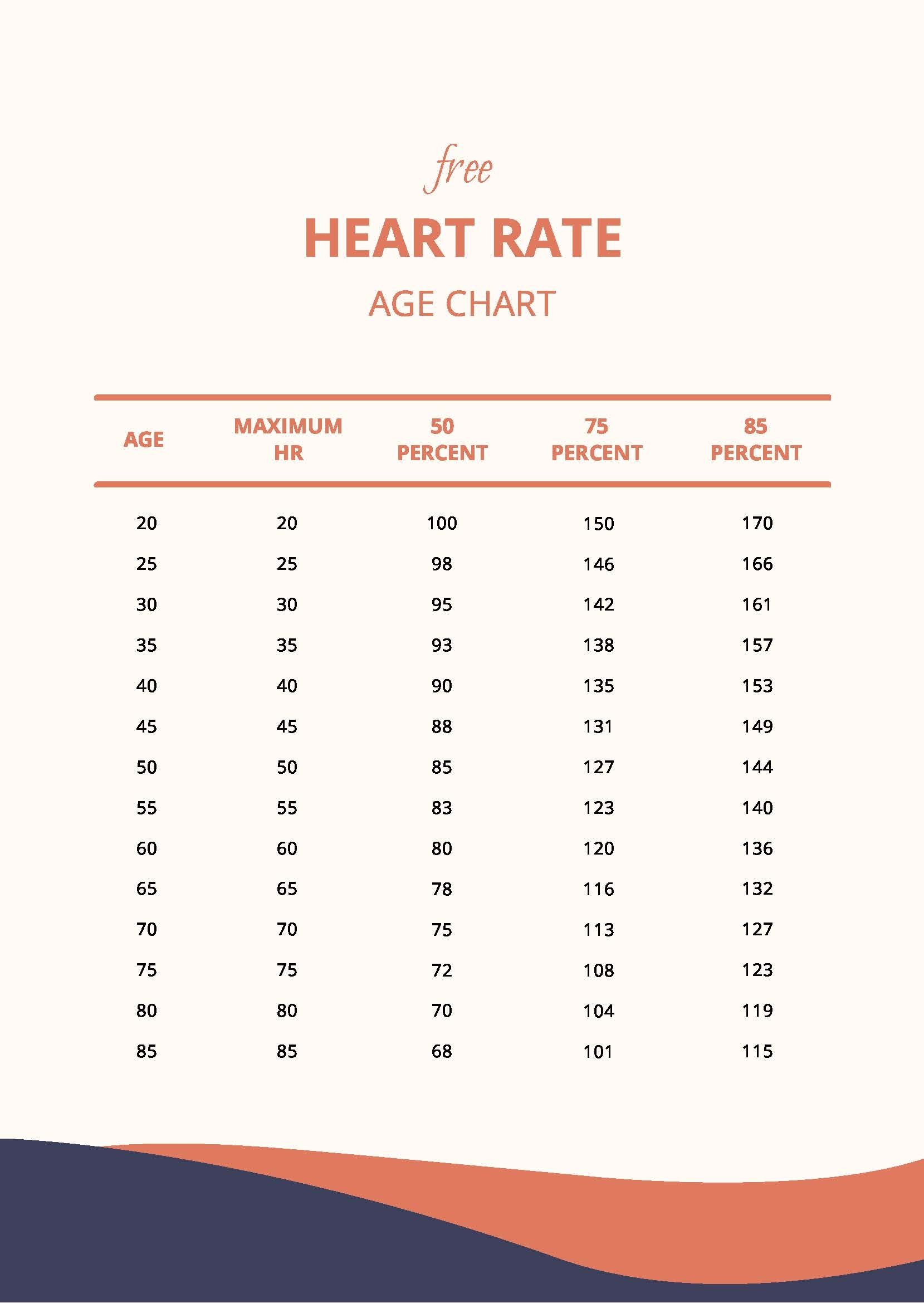
- Children (ages 6-15): 70-100 beats per minute
- Adults (ages 18-65): 60-100 beats per minute
- Seniors (ages 65+): 60-100 beats per minute
It’s important to note that individual variations can occur, so it’s best to consult with a healthcare provider for personalized recommendations.
Regular physical activity, a healthy diet, and managing stress can all help lower your resting heart rate. If you notice a significant increase in your resting heart rate or experience any symptoms such as chest pain, shortness of breath, or dizziness, seek medical attention immediately.
Monitoring your resting heart rate over time can help you track improvements in your cardiovascular health and overall fitness. By making healthy lifestyle choices and staying active, you can maintain a healthy resting heart rate and reduce your risk of heart disease and other health conditions.
Remember, your resting heart rate is just one piece of the puzzle when it comes to your overall health. Be sure to also focus on maintaining a healthy weight, eating a balanced diet, getting enough sleep, and managing stress to support your heart health and well-being.