Irritable Bowel Syndrome (IBS) is a common digestive disorder that affects the large intestine. It is characterized by symptoms such as abdominal pain, bloating, gas, diarrhea, and constipation. While the exact cause of IBS is unknown, certain factors such as diet, stress, and genetics can play a role in its development.
Managing IBS symptoms often involves making dietary changes to help alleviate discomfort and improve overall digestive health. A well-planned diet can help regulate bowel movements and reduce inflammation in the gut, leading to fewer flare-ups and a better quality of life.
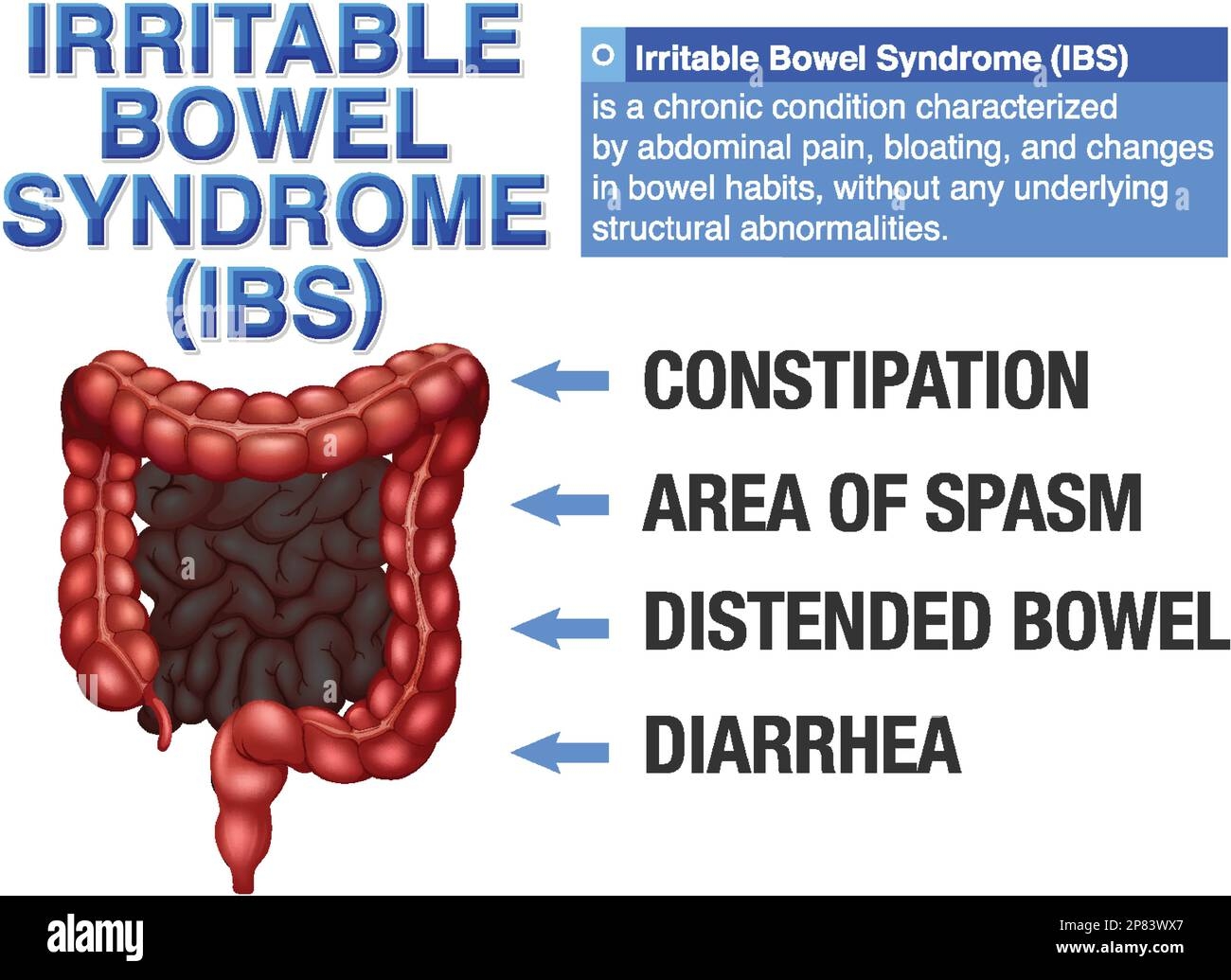
IBS Diet Chart
When creating an IBS diet chart, it is important to focus on incorporating foods that are easy to digest and gentle on the stomach. Here are some guidelines to consider when planning meals for individuals with IBS:
1. Fiber-rich foods: Include plenty of fruits, vegetables, whole grains, and legumes in your diet to help regulate bowel movements and prevent constipation.
2. Low-FODMAP diet: Some individuals with IBS may benefit from following a low-FODMAP diet, which restricts certain carbohydrates that can trigger digestive symptoms. Common high-FODMAP foods to avoid include onions, garlic, wheat, and dairy products.
3. Probiotics: Incorporating probiotic-rich foods such as yogurt, kefir, and kimchi can help promote a healthy balance of gut bacteria and improve digestion.
4. Hydration: Staying hydrated by drinking plenty of water throughout the day can help prevent dehydration and aid in digestion.
5. Mindful eating: Paying attention to portion sizes, chewing food slowly, and avoiding large meals can help reduce bloating and discomfort associated with IBS.
By following an IBS diet chart that focuses on these key principles, individuals with IBS can better manage their symptoms and improve their overall digestive health.
In conclusion, making dietary changes is an essential part of managing IBS symptoms and improving quality of life. By following an IBS diet chart that emphasizes fiber-rich foods, a low-FODMAP diet, probiotics, hydration, and mindful eating, individuals with IBS can find relief from digestive discomfort and enjoy a healthier lifestyle.