When it comes to selecting the right pipes for your project, it’s important to consider the dimensions of the pipes you need. Understanding pipe dimensions can help you choose the right size and type of pipe for your specific application. Whether you’re working on a plumbing project or a construction project, having a clear understanding of pipe dimensions is essential.
Below is a pipe dimension chart that outlines the various dimensions of pipes commonly used in construction and plumbing projects. This chart can help you identify the size, thickness, and material of the pipe you need for your specific application.
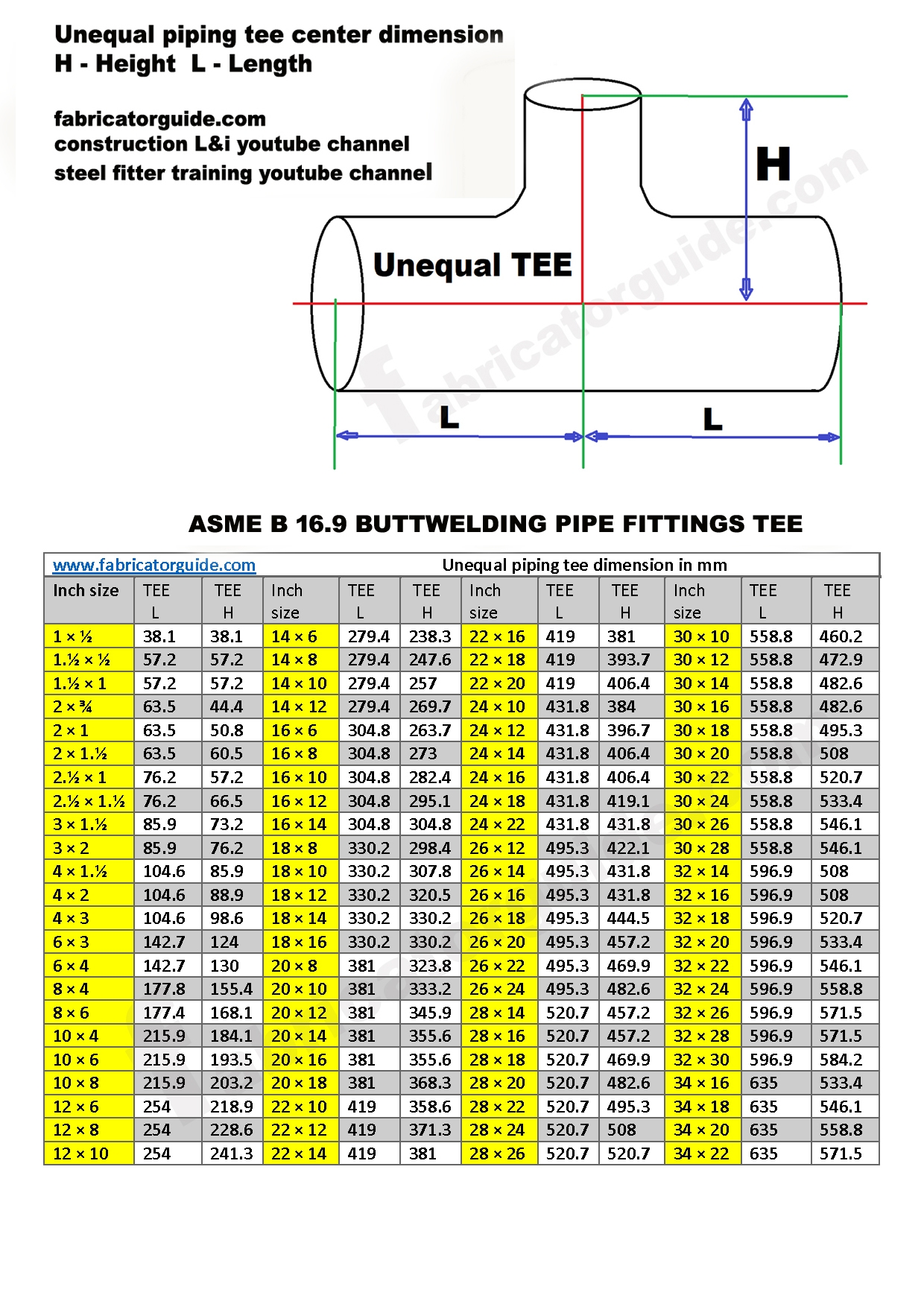
1. Size: The size of a pipe is typically measured in nominal pipe size (NPS) or nominal diameter (DN). This is the size of the pipe without taking into account the thickness of the wall. Common sizes include 1/2 inch, 3/4 inch, 1 inch, and so on.
2. Thickness: The thickness of a pipe is usually specified in schedule numbers. The higher the schedule number, the thicker the wall of the pipe. Common schedule numbers include SCH 40, SCH 80, and SCH 160.
3. Material: Pipes can be made from a variety of materials, including steel, copper, PVC, and more. The material of the pipe you choose will depend on the specific requirements of your project, such as the pressure and temperature at which the pipe will be operating.
4. Application: It’s important to consider the application of the pipe when selecting the right dimensions. For example, if you’re working on a high-pressure plumbing system, you’ll need a thicker-walled pipe to withstand the pressure.
5. Consultation: If you’re unsure about which pipe dimensions are right for your project, it’s always a good idea to consult with a professional plumber or contractor. They can help you determine the best size, thickness, and material for your specific application.
By referring to this pipe dimension chart and considering the size, thickness, material, and application of the pipe, you can ensure that you select the right pipes for your project. Having a clear understanding of pipe dimensions will help you make informed decisions and ultimately contribute to the success of your project.