Monitoring your pulse rate is an important aspect of maintaining good health. Your pulse rate, also known as your heart rate, is the number of times your heart beats per minute. A normal resting heart rate for adults is typically between 60 to 100 beats per minute, although this can vary based on factors such as age, fitness level, and overall health.
A pulse rate chart can help you understand what is considered a normal heart rate range for your age and fitness level. By monitoring your pulse rate regularly, you can track changes in your heart rate and identify any potential issues. Here is a general pulse rate chart for adults:
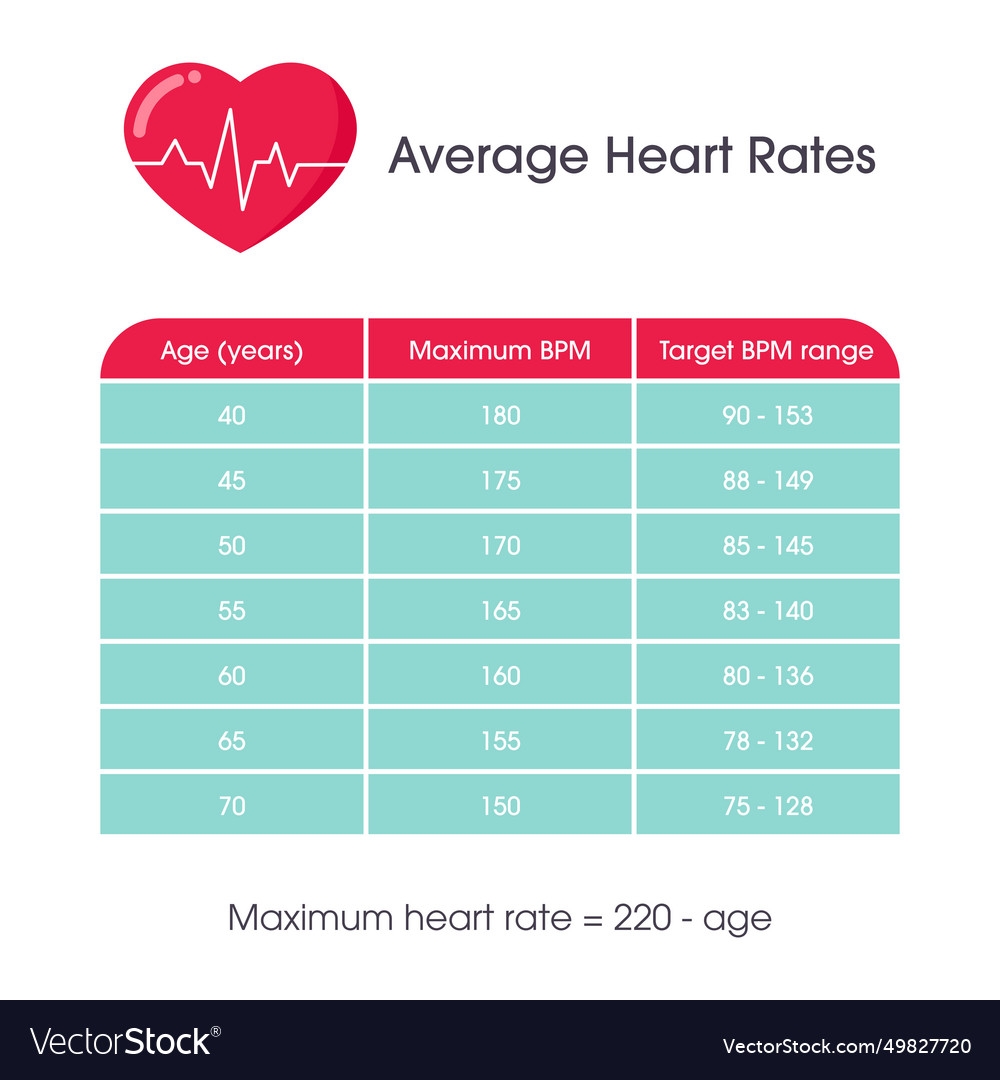
| Age | Resting Heart Rate (beats per minute) |
|---|---|
| 18-25 | 60-100 |
| 26-35 | 60-100 |
| 36-45 | 60-100 |
| 46-55 | 60-100 |
| 56-65 | 60-100 |
It is important to note that individual heart rates may vary, and factors such as fitness level, stress, and medication can all impact your heart rate. If you notice any significant changes in your pulse rate or experience symptoms such as dizziness, chest pain, or shortness of breath, it is important to consult with a healthcare professional.
Regular exercise, maintaining a healthy diet, managing stress, and getting an adequate amount of sleep can all help to keep your heart healthy and your pulse rate within a normal range. By using a pulse rate chart as a guideline and monitoring your heart rate regularly, you can take proactive steps to maintain your overall health and well-being.
In conclusion, monitoring your pulse rate is a simple yet effective way to keep track of your heart health. By understanding what is considered a normal range for your age and fitness level, you can better assess your heart rate and make informed decisions about your health. Remember to consult with a healthcare professional if you have any concerns about your pulse rate or experience any unusual symptoms.