Resting heart rate is the number of times your heart beats per minute while you are at rest. It is an important indicator of your overall health and fitness level. Generally, a lower resting heart rate indicates better cardiovascular fitness. Your resting heart rate can vary depending on factors such as age, fitness level, and overall health.
Understanding what is considered a normal resting heart rate for your age can help you monitor your cardiovascular health and make informed decisions about your fitness routine and lifestyle choices.
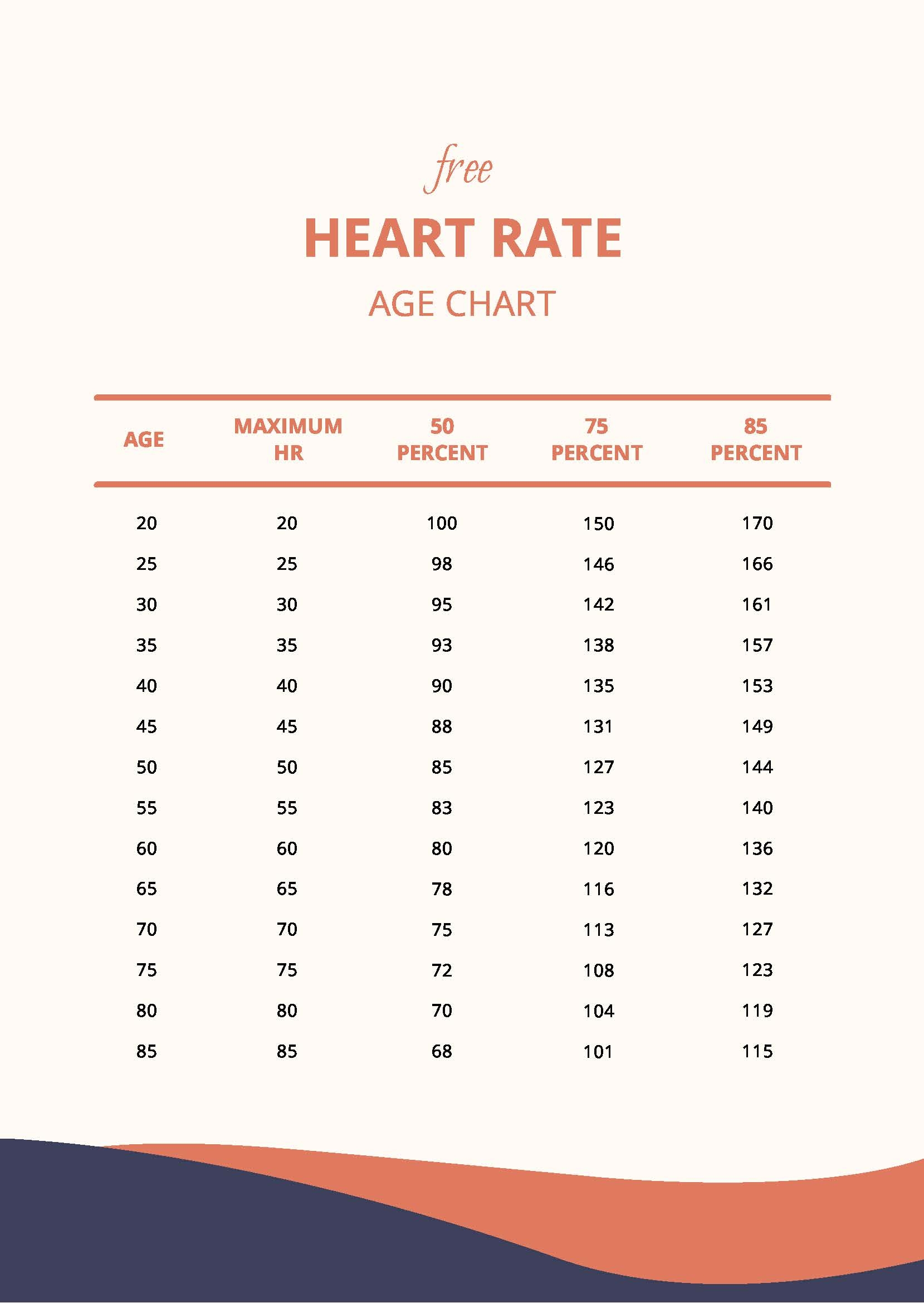
Resting Heart Rate by Age Chart
Below is a general guideline for resting heart rates by age:
| Age | Resting Heart Rate (beats per minute) |
|---|---|
| 0-1 | 100-160 |
| 1-3 | 70-110 |
| 4-6 | 65-110 |
| 7-9 | 60-100 |
| 10-12 | 50-90 |
It’s important to note that these ranges are general guidelines, and individual resting heart rates may vary. Factors such as fitness level, medications, and overall health can all affect your resting heart rate.
As you age, your resting heart rate may naturally increase. However, regular exercise and a healthy lifestyle can help maintain a lower resting heart rate and improve overall cardiovascular health.
Monitoring your resting heart rate over time can help you track changes in your cardiovascular fitness and identify any potential health concerns. If you notice a significant increase in your resting heart rate or experience symptoms such as dizziness or chest pain, it’s important to consult with a healthcare professional.
By understanding the normal resting heart rate for your age and taking steps to maintain a healthy heart, you can improve your overall well-being and reduce your risk of cardiovascular disease.