Choosing the right needle size for your sewing project is crucial to achieving professional results. With so many different types and sizes of needles available, it can be overwhelming to know which one to use. Understanding the various needle sizes and their uses is key to ensuring your sewing projects turn out beautifully.
Needles are sized according to a numerical system, with smaller numbers indicating finer needles and larger numbers indicating thicker needles. The size of the needle you choose will depend on the type of fabric you are sewing and the weight of the thread you are using. Using the wrong needle size can result in skipped stitches, broken threads, and damage to your fabric.
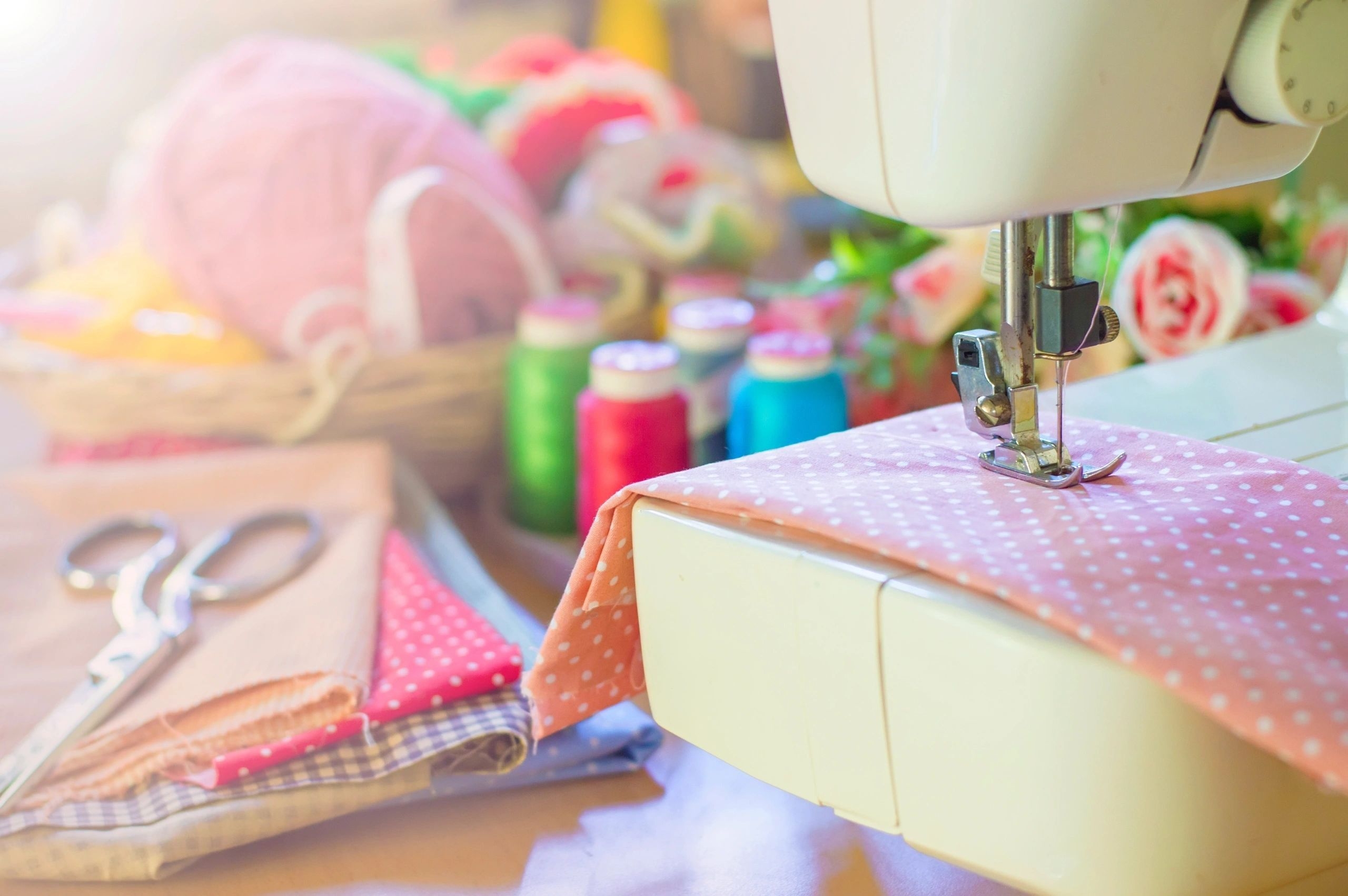
Below is a sewing needle size chart that provides guidance on the different needle sizes and their recommended uses:
| Needle Size | Fabric Type | Thread Weight |
|---|---|---|
| 60/8 | Lightweight fabrics like chiffon and organza | Very fine threads |
| 70/10 | Cotton, silk, and lightweight linen | Lightweight threads |
| 80/12 | Medium-weight fabrics like quilting cotton and wool | All-purpose threads |
| 90/14 | Heavyweight fabrics like denim and canvas | Heavy threads |
| 100/16 | Thick fabrics like upholstery and leather | Topstitching threads |
It’s important to match the needle size to the fabric and thread you are using to ensure smooth stitching and professional-looking results. Remember to change your needle frequently, as dull or damaged needles can cause problems with your sewing machine and compromise the quality of your work.
By referring to this sewing needle size chart and understanding the different needle sizes and their recommended uses, you can confidently select the right needle for your next sewing project. Taking the time to choose the correct needle size will result in cleaner stitches, smoother sewing, and overall better outcomes for your creations.
Next time you’re starting a new sewing project, consult this needle size chart to ensure you’re using the right needle for the job. Happy sewing!