Stick welding, also known as Shielded Metal Arc Welding (SMAW), is a popular welding process that uses a flux-coated electrode to create the weld. One key factor in successful stick welding is determining the correct amperage for the specific welding job. This is where a stick welding amperage chart comes in handy, as it provides guidelines for selecting the appropriate amperage settings based on factors such as electrode diameter, welding position, and material thickness.
Using the correct amperage is crucial in stick welding to achieve a strong and durable weld. If the amperage is too low, the weld may be weak and prone to cracking. On the other hand, if the amperage is too high, it can result in excessive spatter, distortion, and a lack of penetration. By referring to a stick welding amperage chart, welders can ensure they are using the right settings for optimal results.
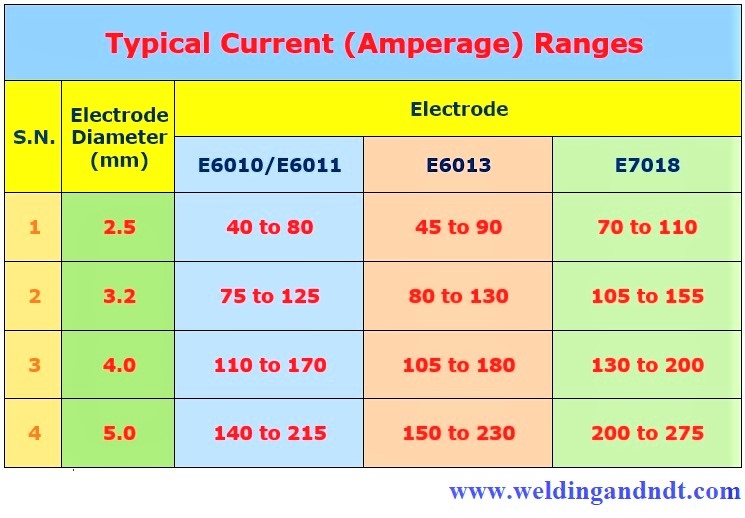
Stick Welding Amperage Chart
A typical stick welding amperage chart will list various electrode diameters and recommended amperage ranges for different welding positions and material thicknesses. For example, a 1/8-inch electrode may have an amperage range of 75-125 amps for flat position welding on 1/8-inch steel, while a 3/32-inch electrode may have an amperage range of 40-85 amps for vertical welding on 1/4-inch steel.
It’s important for welders to carefully consult the stick welding amperage chart before starting a welding job to ensure they are using the correct settings. By following the guidelines provided in the chart, welders can achieve high-quality welds that meet industry standards and specifications.
In addition to electrode diameter and material thickness, other factors that can affect amperage selection include welding position (flat, vertical, overhead, etc.), joint design, and base metal type. By taking these factors into account and referring to a stick welding amperage chart, welders can make informed decisions about their welding parameters for each specific job.
Overall, a stick welding amperage chart is a valuable tool for welders to use in order to achieve consistent and reliable welds. By understanding the relationship between electrode diameter, material thickness, welding position, and amperage settings, welders can produce high-quality welds that meet the required standards.