Understanding your blood pressure is crucial for maintaining good health. Blood pressure is measured using two numbers – systolic and diastolic. Systolic pressure is the top number that represents the pressure in your arteries when your heart beats, while diastolic pressure is the bottom number that shows the pressure in your arteries when your heart is at rest between beats.
Monitoring your blood pressure regularly can help you identify any potential health issues and take necessary steps to maintain a healthy lifestyle. By keeping track of your blood pressure readings, you can work with your healthcare provider to make informed decisions about your health.
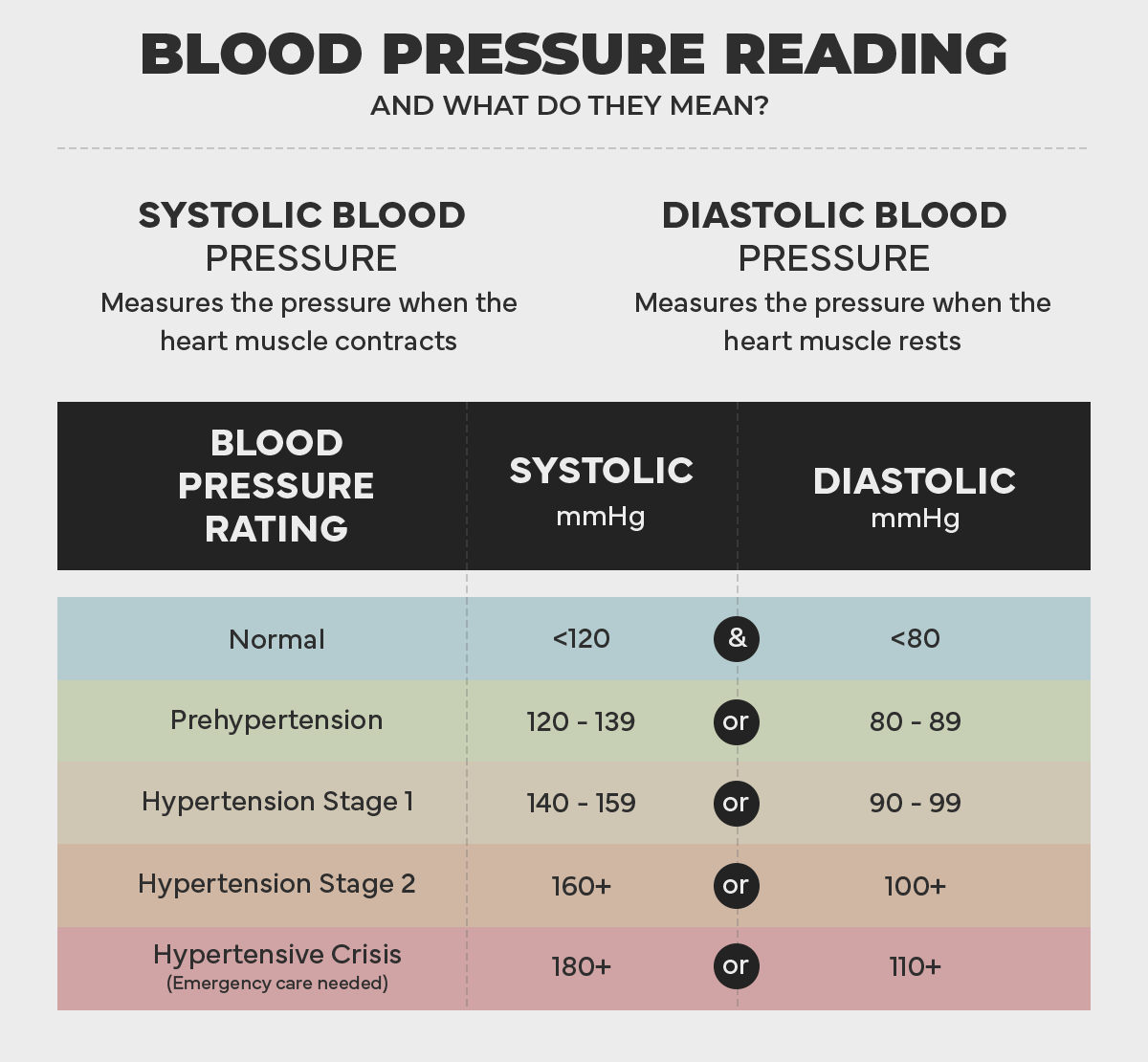
Systolic and Diastolic Blood Pressure Chart
Below is a general guideline for systolic and diastolic blood pressure readings:
- Normal: Systolic less than 120 and diastolic less than 80
- Elevated: Systolic 120-129 and diastolic less than 80
- High Blood Pressure (Hypertension) Stage 1: Systolic 130-139 or diastolic 80-89
- High Blood Pressure (Hypertension) Stage 2: Systolic 140 or higher or diastolic 90 or higher
- Hypertensive Crisis: Systolic higher than 180 and/or diastolic higher than 120
It is important to note that these numbers are general guidelines and may vary depending on individual health factors. Consult with your healthcare provider for personalized blood pressure recommendations.
Maintaining a healthy lifestyle through regular exercise, a balanced diet, and stress management can help control your blood pressure and reduce the risk of heart disease and other health complications. Additionally, avoiding smoking and limiting alcohol consumption can also contribute to better blood pressure management.
Regular check-ups with your healthcare provider are essential for monitoring your blood pressure and overall health. By staying informed and taking proactive steps, you can take control of your health and well-being.
Remember, your blood pressure is a key indicator of your cardiovascular health. By understanding and monitoring your systolic and diastolic blood pressure readings, you can make informed decisions to maintain a healthy lifestyle and prevent potential health issues.